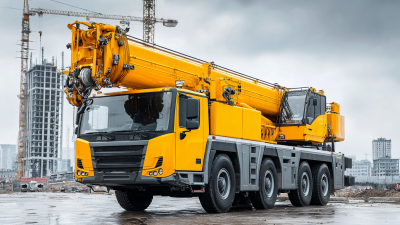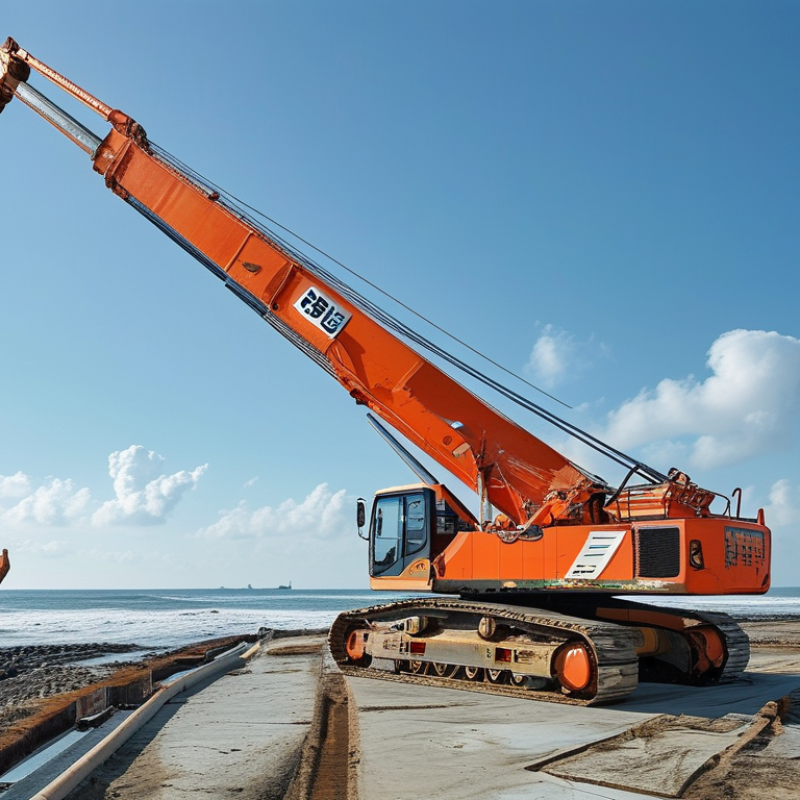
When a quotation says “55 ton crane,” pause before comparing prices. “Ton” is not universal. A metric tonne equals 1,000 kilograms, while a US short ton equals 2,000 pounds, or 907.185 kilograms. Therefore, 55 metric tonnes equals 55,000 kilograms, while 55 short tons equals about 49,895 kilograms. The gap is approximately 5.1 tonnes. That difference can alter the required runway, wheels, brakes, and building support. The label looks clear, but it is not.
Ask the supplier to write the unit beside the rated load: 55 t metric or 55 US tons. Avoid “55T” alone. U.S. OSHA 29 CFR 1910.179 requires rated-load markings on overhead cranes. ISO 4301-1:2016 evaluates crane duty through load spectrum and operating cycles, not tonnage alone. A crane lifting lightly all day is not equivalent to one handling near capacity every hour. Rated capacity also depends on span, hook height, trolley position, and load radius.
Independent verification should include the load chart, motor data, hook-block weight, and test documentation. The load chart matters most. A 55-metric-ton rating may fall sharply at long outreach or with unusual attachments. Check kilograms and pounds separately; careless conversions create costly errors. One overlooked detail is power frequency, especially for imported equipment. It can affect motor speed and thermal performance. Buyers sometimes focus on the headline number, then discover that “55 ton” excludes lifting accessories. Clarify that exclusion in writing.