2026 How to Choose the Right Small Crane for Your Projects?
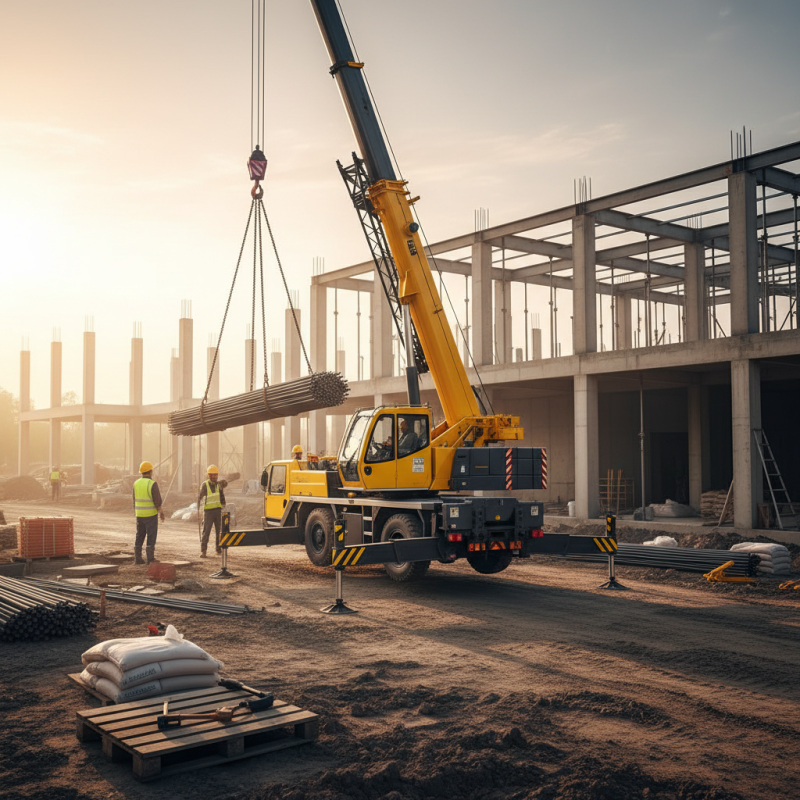
Choosing the right small crane for your projects can be daunting. The variety of options available can overwhelm any contractor. You must consider size, lifting capacity, and terrain. Each project has unique requirements, and so does every small crane.
A small crane can fit into tight spaces where larger cranes cannot. However, the wrong choice can lead to inefficiencies. It's essential to understand the specifications and features of various models. Many forget to factor in their project environment. This can result in unexpected challenges.
Different projects may require diverse functionalities from a small crane. Consider the weight of materials you need to lift. Have you thought about the ground conditions? These details can significantly affect your selection process. Sometimes, smaller cranes may lack the power you need. Reflect on your project needs carefully before making a decision.
Understanding the Different Types of Small Cranes Available
Choosing the right small crane involves understanding the types available in the market. The most common types include mini cranes and mobile cranes.
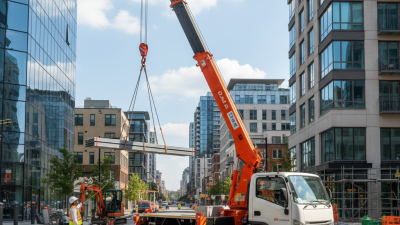
Mini cranes are compact and easily maneuverable. They can fit in tight spaces, making them ideal for residential projects. Mobile cranes, while still small, offer greater lifting capacity and stability. They can handle heavier loads but require more space.
Each type has its unique features. Mini cranes often have electric or hydraulic power, facilitating operation in various locations. Mobile cranes generally have a boom that extends, providing versatility. However, users might find that the larger footprint of mobile cranes limits where they can be used effectively.
Also, operators should reflect on the terrain of their project site. Uneven ground can pose challenges for stability.
It's essential to consider specific project needs when selecting a crane. Not every project requires a high-capacity model. Sometimes, a simpler option suffices. Understanding your project’s weight requirements and site conditions can prevent costly mistakes. Reflecting on these factors early in the planning can lead to better outcomes.
Assessing Your Project Requirements and Site Conditions
When choosing a small crane, start by assessing your project requirements. What weight will the crane lift? Understand the load capacity you need. Will the crane operate on uneven terrain? If so, consider a model with better stability features. Note the height restrictions at your site. This will affect the crane’s reach and working radius.
Look at the environmental conditions too. Is it an indoor job or will it be outside? Outdoor cranes may need weatherproof features.
Safety is paramount. You may face challenges, like nearby structures or overhead lines. These factors can complicate operations. Sometimes, it’s easy to overlook these details. A small oversight can lead to delays or safety hazards.
Evaluate your crew's experience as well. A skilled operator can make a big difference. If you have less experienced team members, you might need extra training. This adds time and budget considerations. Reflect on how site conditions impact your project timeline. It’s critical to align crane capabilities with real-world challenges. This requires careful thought and some adjustments along the way.
Evaluating Load Capacities and Crane Specifications
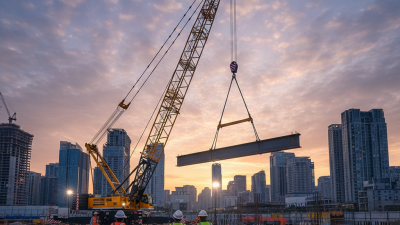
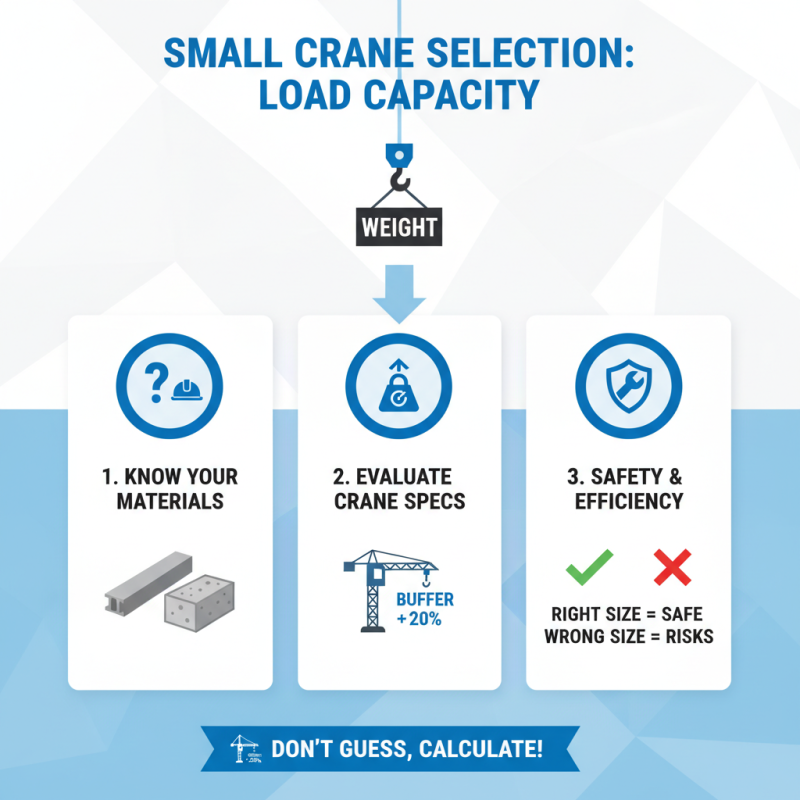
When selecting a small crane, evaluating load capacities is crucial. Each project has unique demands. Knowing the weight of materials is the first step. Overestimating or underestimating load can lead to issues. For instance, if you need to lift heavy steel beams, ensure the crane can handle that weight plus some buffer. A small crane may seem adequate, but it could struggle with unanticipated loads.
Crane specifications go beyond just load capacity. Consider the height and reach required for your projects. Some cranes have limited upward reach. If your job is on uneven terrain, this could pose a challenge. Take time to review the crane’s dimensions and turning radius. These factors impact where and how you can operate the crane.
It’s also important to reflect on your operational skills. Not everyone may have experience using small cranes. Training may be necessary to avoid accidents. Understanding the limitations of your crane is essential, as safety should always be a priority. Sometimes, people underestimate the complexity of crane operation. A well-informed decision can prevent costly mistakes in the long run.
Considering Financial Aspects: Budget and Cost of Ownership
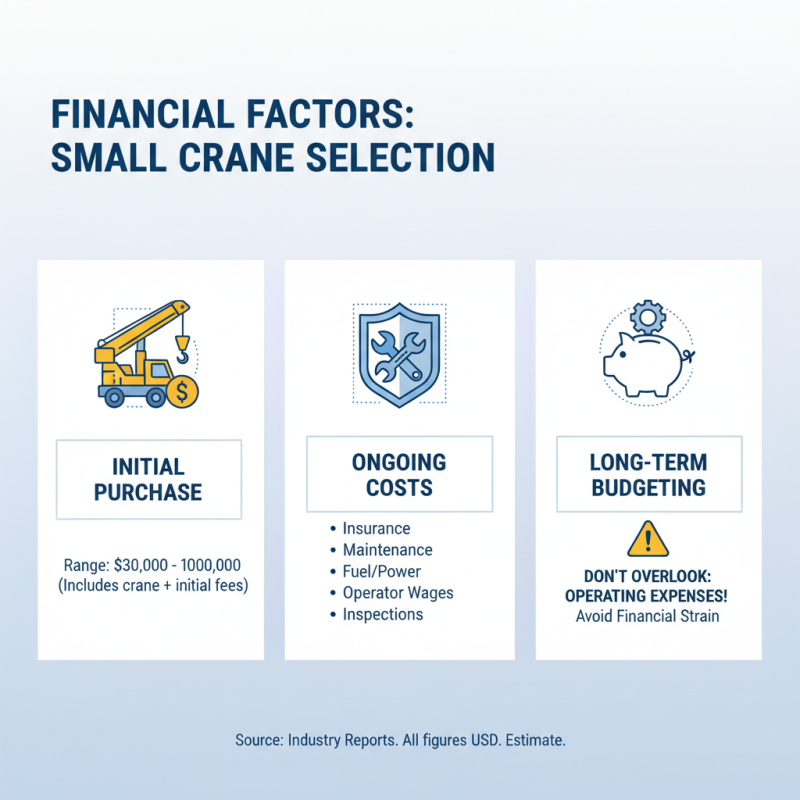
When selecting a small crane, financial considerations become key factors in the decision-making process. According to industry reports, the average cost of owning a small crane can range from $30,000 to $100,000. This price usually includes initial purchase, insurance, and maintenance expenses. It’s essential to budget not just for the acquisition but also for ongoing costs. Failing to account for these can lead to financial strain later.
Tips: Consider leasing instead of buying if you have short-term projects. This option may reduce upfront costs significantly.
Another aspect is the maintenance cost, which can add up over time. Reports indicate that maintenance can account for approximately 15% of a crane's total operating costs annually. Keeping a close eye on these potential expenses is crucial. Not all cranes require the same level of upkeep, leading to different long-term costs. Reflecting on the expected workload and environment can help you choose wisely.
Tips: Conduct a thorough inspection before purchase to gauge potential maintenance needs. This could save you money in the long run. Always be ready to reassess your budget as project needs change; flexibility can lead to better financial outcomes.
Safety Features and Compliance Standards in Small Cranes
When selecting a small crane, safety features and compliance standards are crucial. Ensuring the crane meets local safety regulations can prevent accidents. Look for cranes with automatic shut-off systems. These systems can halt operations if there’s a malfunction, providing an extra layer of safety.
Tips: Always check the load limit. Overloading can cause structural failure. This risk is often overlooked but vital for safe operation.
Consider also the operator’s safety. Cranes equipped with anti-collision devices can help prevent accidents on site. Thoughtfully choosing a crane that prioritizes safety can enhance operational efficiency and protect your team.
Maintain accurate records of all compliance checks. Document safety inspections and ensure that cranes are regularly serviced. Failing to do so can lead to dangerous situations. Some operators bypass these checks, which can be a dangerous mistake. It's essential to prioritize safety at all times.
2026 How to Choose the Right Small Crane for Your Projects? - Safety Features and Compliance Standards in Small Cranes
| Crane Type |
Max Load Capacity (lbs) |
Height (ft) |
Safety Features |
Compliance Standards |
| Hydraulic Crane |
10,000 |
20 |
Overload protection, Emergency stop |
ANSI B30.5, OSHA |
| Electric Crane |
5,000 |
15 |
Hoist limit switch, Safety latch |
ASME B30.16, AWS D1.1 |
| Mini Crane |
2,000 |
10 |
Anti-tip mechanism, Load moment limiter |
ISO 9001, CE Mark |
| Crawler Crane |
15,000 |
25 |
Dual brakes, Rollover protection |
EN 13000, OSHA |