How to Choose the Best Movable Crane for Your Needs?
Choosing the best movable crane for your specific needs requires careful consideration. There are many options available, and each has unique features. Understanding what you require is vital to making the right choice.
Movable cranes serve various industries, from construction to manufacturing. They offer flexibility in lifting and transporting heavy loads. Assess your tasks; think about size, weight capacity, and job site conditions. These factors heavily influence your decision.
Not all cranes are built the same. Some may lack the necessary stability or lifting power for your projects. It’s important to reflect on your long-term needs and potential future requirements. Engaging with experts or reviewing credible resources can help you navigate these options effectively. Remember, the right choice can optimize productivity, but the wrong one may lead to safety risks and inefficiencies.
Understanding Different Types of Movable Cranes and Their Uses
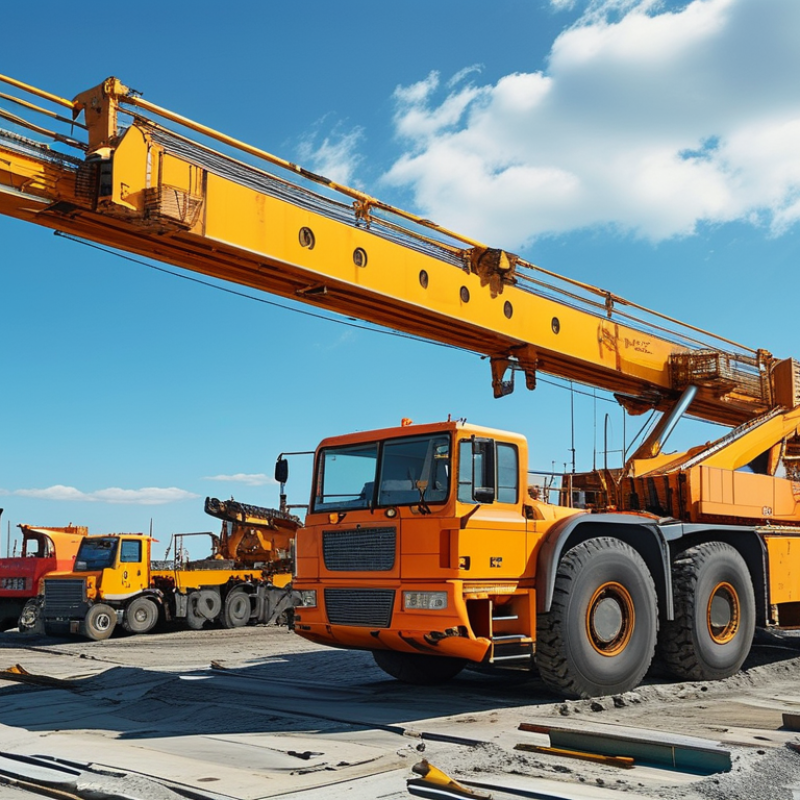
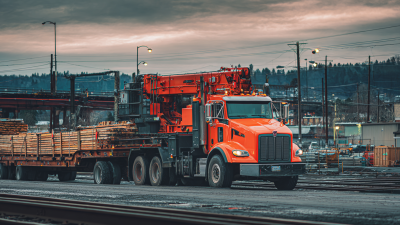
When selecting a movable crane, understanding the various types and their specific uses is crucial. Mobile cranes are versatile, widely utilized in construction, shipping, and heavy manufacturing. Each type serves distinct needs. For example, truck-mounted cranes offer mobility and quick setup. They excel in urban environments where space constraints exist. On the other hand, crawler cranes provide stability and are better suited for rough terrain. They might not be as fast but can lift heavier loads safely.
Diverse uses of movable cranes can impact your choice significantly. If your project requires lifting heavy items in confined spaces, consider a knuckle-boom crane. These cranes have articulating arms, allowing for flexible maneuverability. Alternatively, if you face harsher conditions, a rough terrain crane may enhance durability. Reflect on your job site conditions and load types. Oftentimes, the best decision hinges on these practical considerations. A deeper understanding of these types enhances efficiency and safety on the job site.
How to Choose the Best Movable Crane for Your Needs?
| Type of Movable Crane |
Load Capacity (ton) |
Reach (meters) |
Common Uses |
| Mobile Truck Crane |
40 - 200 |
10 - 60 |
Construction, Heavy Lifting |
| Crawler Crane |
50 - 600 |
5 - 70 |
Mining, Oil Fields |
| Rough Terrain Crane |
30 - 100 |
10 - 40 |
Outdoor Construction |
| Lattice Boom Truck Crane |
80 - 400 |
20 - 45 |
Bridge Construction, Heavy Lifting |
| All Terrain Crane |
60 - 1200 |
15 - 60 |
Versatile Use, Urban Construction |
Assessing Load Capacity and Weight Requirements for Your Projects
Selecting the right movable crane hinges on understanding your project's load capacity and weight requirements. Assessing these elements prevents costly mistakes. Begin by calculating the heaviest load you will handle. Exact weight matters. Cranes often have specific limits, and exceeding them could lead to accidents or equipment failure.
Consider the distribution of weight across the crane's platform. An imbalance can result in tipping or instability. Think about dynamic forces, too. During operations, loads can shift or swing, affecting your crane’s performance. It’s crucial to factor this into your calculations. You might think you need a larger capacity crane when a smaller one could suffice with the right setup.
Don’t overlook the environment where the crane will operate. Uneven ground or tight spaces may necessitate unique considerations for load distribution. Some projects may involve multiple lifting points, complicating your requirements. Reflect on these aspects to ensure your choice aligns with realistic operational conditions, rather than idealized scenarios. Making an informed decision hinges on practical evaluation.
Evaluating Mobility Options: Tracked vs. Wheeled Movable Cranes
When selecting a movable crane, understanding mobility options is essential. The two primary types are tracked and wheeled cranes. Tracked cranes offer superior stability and can navigate rough terrains effectively. They distribute their weight evenly, which reduces ground pressure. This makes them ideal for construction sites with challenging surfaces.
Wheeled cranes, on the other hand, excel in speed and maneuverability on paved surfaces. They can move quickly from one location to another, making them suitable for urban environments. Their design allows for easy transport between job sites. However, they may struggle on uneven ground, which can lead to safety concerns.
Consider your specific needs carefully. If your site has soft ground, a tracked crane may be your best choice. If efficiency on hard roads is vital, wheeled cranes may serve you better. Take into account the weight of loads and the environment. These factors significantly influence your decision. Don’t overlook maintenance costs and available support for each type. This consideration can impact your long-term satisfaction with the equipment.
Considering Safety Features and Compliance Standards in Crane Selection
When selecting a movable crane, safety features and compliance standards are paramount. According to a 2022 report from the Occupational Safety and Health Administration (OSHA), over 30% of crane-related incidents result from improper safety measures. This highlights the importance of ensuring that the crane you choose meets or exceeds local regulatory requirements and industry best practices.
Look for cranes that have features such as overload protection, safety alarms, and emergency stop buttons. The American National Standards Institute (ANSI) suggests that cranes should be designed with redundancy in critical systems to mitigate risks. Additionally, understanding the crane's load capacity is essential—many operators fail to consider this aspect, which could lead to unsafe conditions.
Compliance with standards like ASME B30.2 can also enhance safety. Regular inspections and certifications by qualified professionals help to maintain performance and safety levels. Lack of adherence to these standards can result in legal repercussions and possible accidents. It's critical to invest time and resources into understanding these safety features and regulations, as the costs associated with neglect can be significantly higher than those of preventive measures.
Budgeting for Purchase vs. Rental of Movable Cranes: Key Factors to Analyze
When considering whether to purchase or rent a movable crane, budgeting becomes crucial. The initial cost of purchasing a crane can be substantial. This often includes repair costs, maintenance, and storage. Owning a crane also requires considering depreciation over time. Alternatively, renting a crane can provide flexibility, especially for short-term projects. You avoid the long-term financial commitment associated with ownership.
Analyze the frequency of use when deciding. If your projects demand cranes consistently, buying may be worthwhile. On the other hand, sporadic needs might favor rental options. The size and type of crane also impact your budget. Rental agreements usually have hidden fees that can accumulate quickly. Assess these factors diligently to prevent unexpected costs.
Furthermore, think about support and service. When you own a crane, you rely on your capacity to address repairs and maintenance. Renting typically comes with support from the rental company, which can ease operational pressures. However, this does not eliminate the risk of equipment failure or lack of compatibility with specific needs. Balancing these components can help ensure you make a well-informed decision.
Movable Crane Cost Analysis: Purchase vs. Rental