What is a Heavy Lift Crane and How Does It Work?
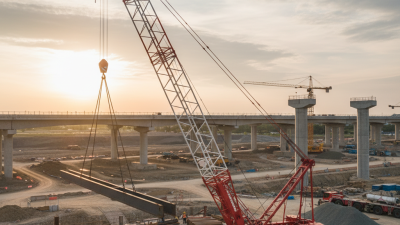
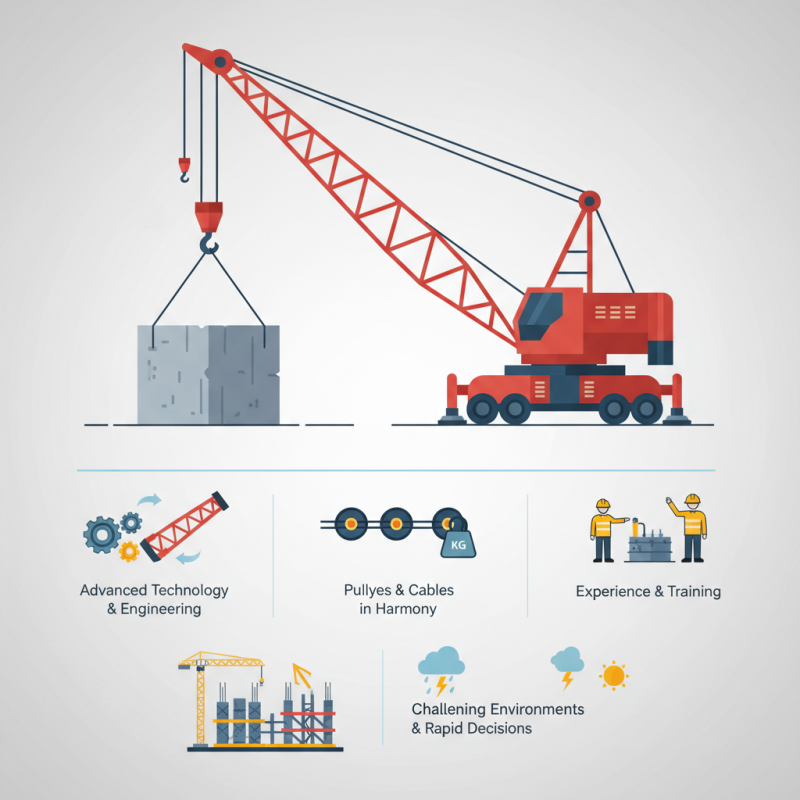
A heavy lift crane is an impressive piece of machinery. It plays a crucial role in construction and heavy industry. These cranes are designed to handle exceptionally large loads, often exceeding several tons. With advanced technology and robust engineering, they can lift, move, and place heavy materials with precision.
Understanding the workings of a heavy lift crane reveals its complexity. The crane typically features a strong boom, pulleys, and cables that work in harmony. Each component must be carefully maintained to avoid accidents. However, even the best designs can fail. Operators must remain vigilant and adapt to unexpected challenges.
Heavy lift cranes often operate in challenging environments. Construction sites can be chaotic, and weather conditions may change rapidly. Decisions must be made quickly, sometimes with limited information. This highlights the need for experience and training. While heavy lift cranes are powerful, they demand respect and caution.
What is a Heavy Lift Crane?
Heavy lift cranes are specialized machines designed for lifting extremely heavy loads. They are commonly used in construction, shipping, and heavy manufacturing industries. These cranes come in various designs, each optimized for specific tasks. They can lift thousands of tons, making them essential for projects that require moving large, cumbersome materials.
The operation of a heavy lift crane involves several components. The main structure often includes a boom, which extends to reach out over the load. Rigging systems, such as slings or shackles, are used to secure the load. Operators must be skilled and knowledgeable. They need to understand the limits of the crane’s capacity. Mistakes in lifting can lead to dangerous situations or damage.
A close observation reveals the complexity of lifting operations. Every lift requires precise calculations and adjustments. Weather conditions can affect performance. It’s crucial to monitor wind and ground stability. Heavy lift cranes play a significant role, but they demand respect, skill, and constant learning to operate safely.
Key Components of Heavy Lift Cranes
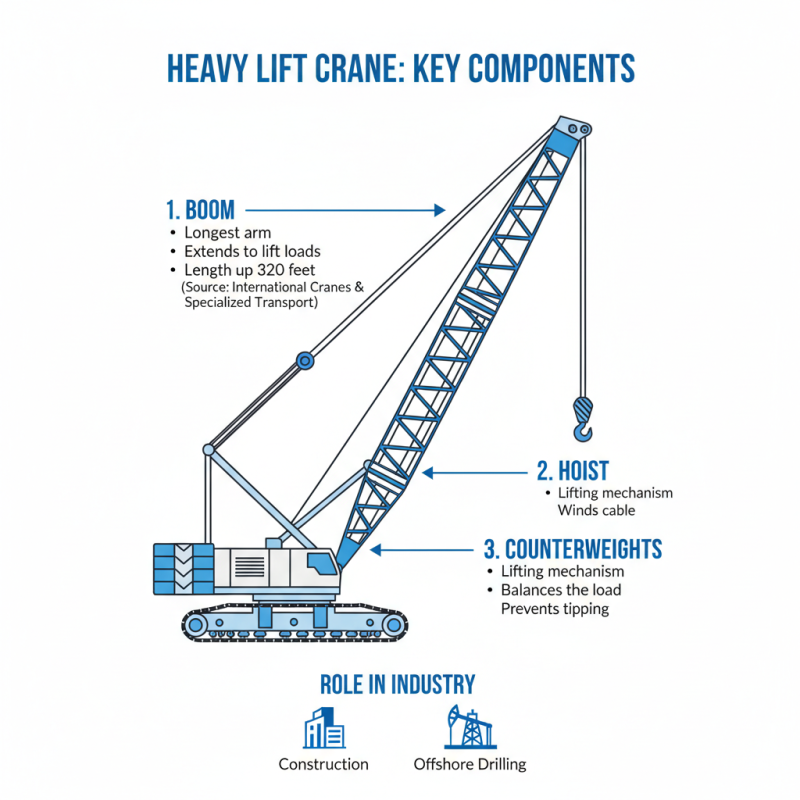
Heavy lift cranes are essential in industries like construction and offshore drilling. Understanding their key components helps in appreciating their role. The main parts include the boom, hoist, and counterweights. The boom is the long arm that extends to lift heavy loads. It can vary in length and flexibility based on the crane's design. A report by the International Cranes and Specialized Transport suggests that the boom length can reach up to 320 feet in some cases.
The hoist mechanism is critical for raising and lowering loads. It consists of cables and pulleys, which need to support substantial weights. According to a recent industry survey, effective hoists can lift up to 1,200 tons. Regular maintenance of these components is vital to ensure safe operations. Neglecting this could lead to failures, raising safety concerns.
Counterweights balance the crane. They prevent tipping during heavy lifts. However, miscalculating counterweights can lead to disasters. Some operators overlook this aspect, making it a point of reflection. Understanding these components is key to effective use and safety in heavy lifting operations.
Mechanisms of Heavy Lift Cranes in Operation
Heavy lift cranes play a crucial role in various industries. These powerful machines can lift and move extremely heavy loads. They use several mechanisms to ensure safe and efficient operations. The core components include a strong boom, winches, and pulleys. The boom extends high into the air, giving it leverage. This design allows it to reach difficult spots.
The winch system is vital. It generates the strength needed for lifting. Operators can control the speed and direction of the load through the winch. Pulleys help distribute the weight, reducing strain. This distribution is essential for safety. However, it can lead to complexity in operation. Operators often face challenges like load swaying. Even experienced operators may misjudge wind conditions or load stability.
Effective communication is key during lifts. Ground crews must stay in sync with operators. Miscommunication can lead to delays and accidents. Each lift is unique and requires careful planning. Mistakes can be costly. Regular maintenance of cranes is critical too. Ignoring these aspects can result in unexpected failures. Each operation should be a learning experience. Adjustments and reflections can enhance safety and efficiency for future lifts.
Applications of Heavy Lift Cranes in Various Industries
Heavy lift cranes play a crucial role across various industries, especially in
construction, energy, and manufacturing. These machines can lift
heavy components, sometimes exceeding 1,000 tons. In the construction sector, they are essential for
assembling large structures like bridges and skyscrapers. According to a recent report, heavy lift cranes account for
over 30% of equipment costs on major construction projects.
In the energy sector, heavy lift cranes assist in installing wind turbines and moving large components at power plants.
A study indicated that these cranes reduce
installation time by 40%, leading to significant cost savings. In manufacturing, they are used for transporting
heavy machinery or assembly line parts, which ensures efficiency and safety on the factory floor.
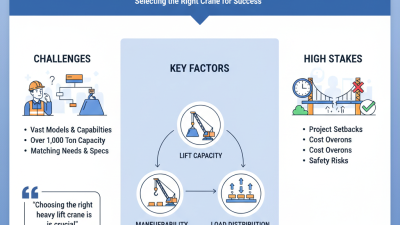
Tips: When selecting a heavy lift crane, consider the load size and
the working environment. Ensure the crane meets the specific requirements of your project. It's vital to factor in
safety regulations. Overlooking this may lead to accidents or
delays. Always consult with experienced professionals for guidance.
Safety Considerations When Using Heavy Lift Cranes
Operating a heavy lift crane requires strict safety measures. These cranes handle large loads, making them potentially dangerous if not used correctly. Operators should be well-trained and familiar with all crane functions. Safety gear like helmets and harnesses is crucial for everyone on site.
To ensure safety, conduct a thorough inspection of the crane before use. Check for any mechanical issues or worn-out parts. Look out for defects on cables and rigging. Ensure that the area around the crane is clear of obstacles and personnel. Poor communication can lead to accidents, so use radios to maintain contact among workers.
Another important aspect is load calculations. Overloading a crane can lead to tipovers or equipment failure. Always calculate the load's weight and its center of gravity. Awareness of wind speed and weather conditions is also essential. Heavy winds can affect stability, leading to dangerous situations. Heavy lift cranes can be efficient but must be treated with respect and caution.