What is a Lifting Crane and How Does it Work?
Lifting cranes are essential in construction and heavy lifting. These machines assist in moving large materials effortlessly. According to the Global Construction Equipment Market report, the lifting crane segment is projected to grow by 5% annually through 2027. This growth demonstrates their vital role in modern industries.
Lifting cranes come in various types, including tower cranes and mobile cranes. Each type serves specific functions, maximizing efficiency on job sites. However, improper usage can lead to significant risks. Safety data from the Occupational Safety and Health Administration (OSHA) indicates that lifting-related accidents account for 20% of construction injuries. This underscores the importance of training and adherence to safety protocols.
The lifting crane's mechanics involve intricate engineering. These machines employ pulleys and cables to lift heavy loads. Despite their robust designs, challenges such as maintenance and operator skill levels persist. Understanding these factors is critical for optimizing their use. Emphasizing safety and training can mitigate common risks.
What is a Lifting Crane?
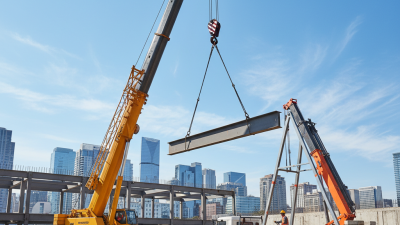
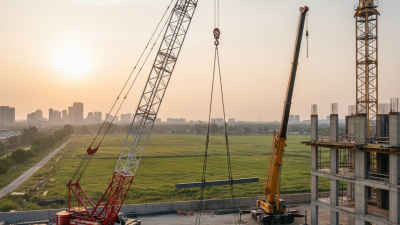
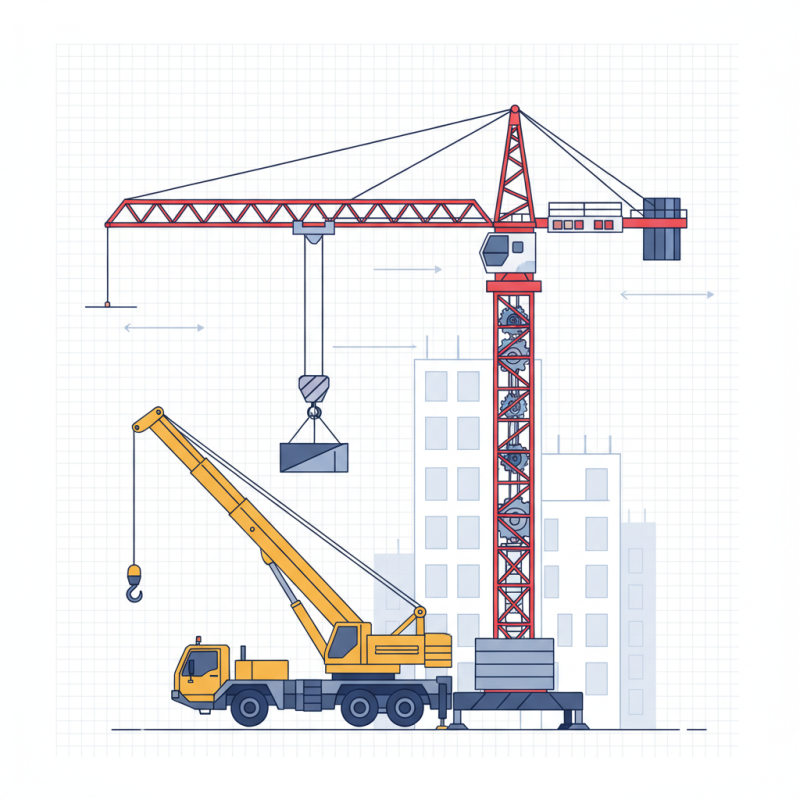
A lifting crane is a powerful piece of machinery used to raise and move heavy objects. Commonly found at construction sites, it helps transport materials where human strength cannot suffice. The crane has a boom that reaches out over distances. It can lift loads high into the air, often with precision.
Lifting cranes operate using a system of pulleys and cables. When the operator initiates a command, the crane's motor engages, allowing the load to ascend or descend. This movement relies on balance and counterweights. Proper weight distribution is crucial to prevent tipping. The design may seem simple, but the mechanics can be complex.
The operator must have training. Mistakes can lead to accidents. A moment of distraction can result in serious consequences. Even small errors can disrupt operations. Therefore, constant vigilance is necessary. Operators must also understand their machine's limits. Pushing those limits can lead to equipment failure. Each lift should be approached with meticulous planning.
What is a Lifting Crane and How Does it Work?
| Crane Type |
Max Load Capacity |
Lift Height |
Operating Mechanism |
Common Applications |
| Tower Crane |
1,000 - 20,000 kg |
30 - 50 m |
Rotates on a fixed base, lifts loads via a hook. |
Construction sites, skyscrapers. |
| Mobile Crane |
1,000 - 500,000 kg |
20 - 40 m |
Mounted on wheels or tracks for mobility, uses hydraulic systems. |
Industrial sites, road repair, heavy lifting. |
| Overhead Crane |
500 - 100,000 kg |
20 - 30 m |
Moves along a fixed rail above the work area. |
Warehouses, factories, shipping yards. |
| Crawler Crane |
1,500 - 3,000,000 kg |
30 - 60 m |
Moves on tracks, offers stability on uneven terrain. |
Bridge construction, heavy lifting in rough terrain. |
The History and Evolution of Lifting Cranes
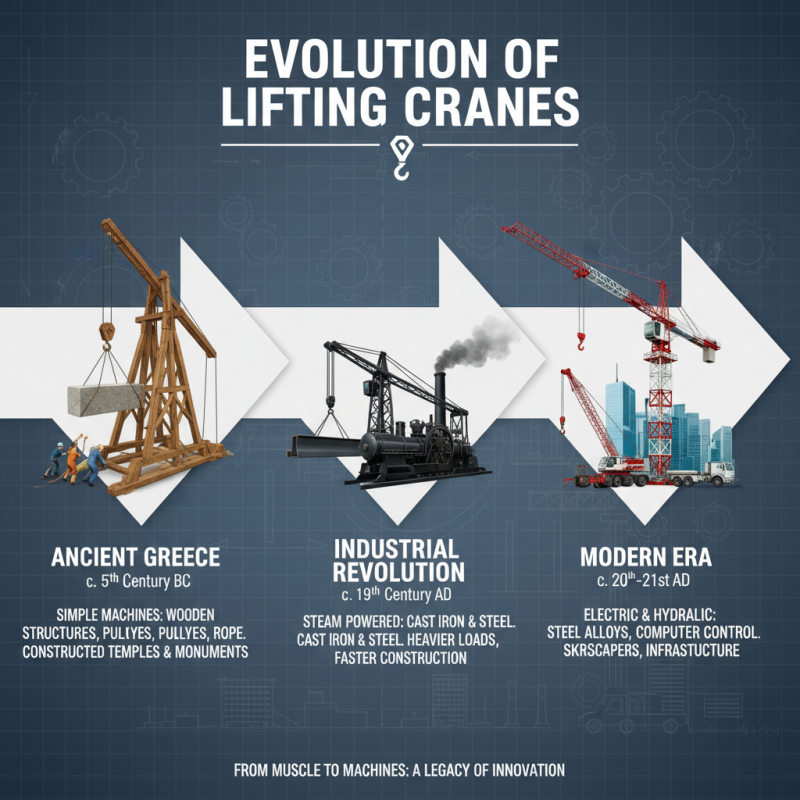
Lifting cranes have come a long way since their inception. The first known cranes date back to ancient Greece. Using simple machines, they helped construct monumental buildings. By the 19th century, steam-powered cranes emerged. These cranes enabled heavier loads to be lifted more efficiently.
According to a report by the International Crane Association, the global lifting crane market has grown significantly. It was valued at approximately $30 billion in 2020. Projections indicate it may reach $45 billion by 2027. This growth reflects the increased demand in construction and manufacturing. However, the technology is not without flaws. Safety concerns about operator training and machine design persist.
Modern cranes utilize advanced materials and computer technology. They can lift objects weighing hundreds of tons. Despite this, many accidents occur due to human error or mechanical failure. It highlights the importance of ongoing training and routine maintenance. As we look to the future, innovation must address these vulnerabilities. The development of autonomous cranes may be a potential solution, but it also raises new questions about job displacement.
Components and Mechanisms of a Lifting Crane
Lifting cranes are essential in various industries, such as construction, shipping, and manufacturing. These cranes consist of several key components. The most critical parts include the boom, hoist, and rigging. The boom is the arm that extends out to lift heavy loads. It can be adjustable in length, optimizing performance. The hoist mechanism makes lifting possible by winding cables or chains.
According to a recent industry report, the global crane market is expected to grow significantly, reaching over $50 billion by 2027. This growth highlights the importance of understanding crane components. Rigging is often overlooked but crucial for safety. It involves slings, hooks, and straps securely fastened to the load. Each component must work together seamlessly to ensure efficiency and safety.
Many operators still face challenges related to maintenance and inspections. Regular checks on all components are necessary to prevent failures. Reports indicate that about 40% of accidents are due to equipment malfunctions. This emphasizes the need for proper training and knowledge of machinery. A deeper understanding of a crane's components can reduce these risks significantly.
Types of Lifting Cranes and Their Applications
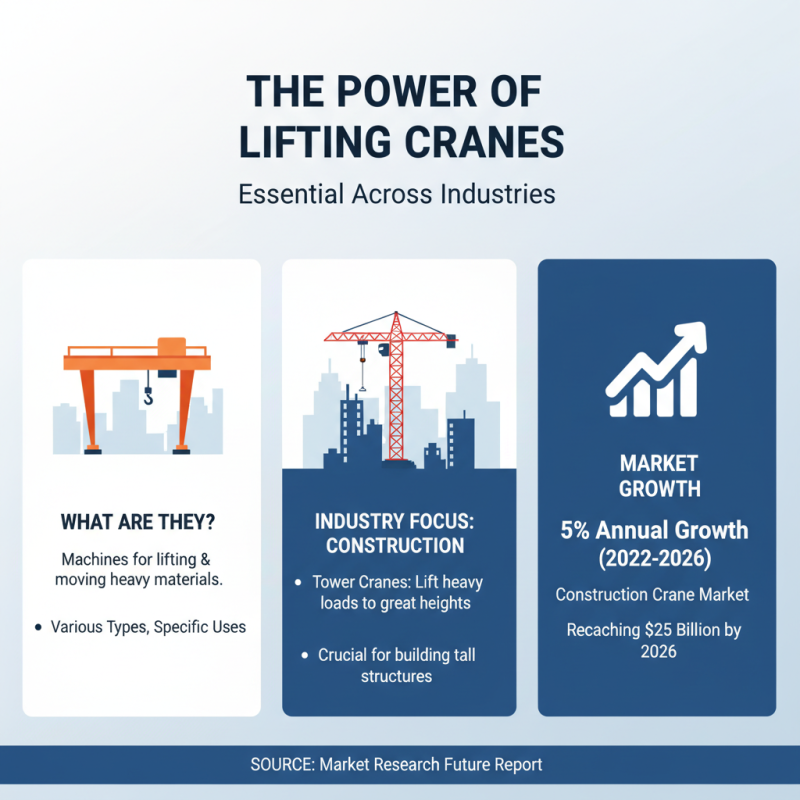
Lifting cranes are essential in various industries. They come in different types, each suited for specific applications. For instance, tower cranes are common in construction. They can lift heavy materials to great heights. According to a report by Market Research Future, the construction crane market is projected to grow by 5% annually, reaching $25 billion by 2026.
Another type is the mobile crane. These cranes are versatile and can be relocated easily. They are often used in road construction and maintenance. Mobile cranes are equipped with a telescoping boom. This feature helps in lifting loads and maneuvering in tight spaces. Reports suggest that the demand for mobile cranes has increased due to infrastructure development.
However, despite their advantages, cranes pose challenges. Operator training is critical, yet often overlooked. Accidents can happen if operators are inexperienced. Statistics from industry safety reports indicate that nearly 80% of crane accidents involve human error. This highlights the need for proper training and safety protocols. As the industry grows, so does the responsibility to ensure safer operations.
Safety Measures and Regulations in Crane Operation
In construction sites, safety is paramount. Lifting cranes are powerful tools but also come with risks. Proper safety measures can prevent accidents. Operators must follow strict regulations to ensure safe lifting practices. This includes understanding load limits and stability. Daily checks of the crane’s parts can help identify potential issues.
Always wear appropriate safety gear. Helmets, gloves, and steel-toed boots are essential. Training is critical for crane operators. They must know how to respond in emergencies. Regular training sessions can reinforce safety protocols.
Tips for safe crane operation: Keep the work area clear. This helps avoid unnecessary distractions. Use signals between the operator and ground crew. Communication is key. Make sure everyone knows their role. Lastly, inspect the crane before and after use. It is a small step that can save lives. Remember, safety is everyone's responsibility on the job site.
Lifting Crane Operation Statistics
This bar chart illustrates the number of different lifting crane operations conducted each month across various applications, reflecting the versatility and usage frequency of cranes in different sectors.