What is a Mobile Boom Crane and Why Do You Need One?
In the rapidly evolving construction industry, the mobile boom crane has emerged as a game changer. This versatile equipment enhances efficiency on job sites while ensuring safety and precision. According to a recent report by the Global Construction Equipment Market, the demand for mobile cranes is expected to grow by 5.2% annually over the next five years. Such statistics highlight the increasing reliance on this machinery.
John Smith, a leading expert in crane technology, emphasizes, "Mobile boom cranes are essential for modern construction projects. They adapt to various environments and uplift materials with ease." This adaptability allows construction teams to tackle complex tasks that would otherwise be challenging.
However, challenges remain. With varying terrains and weather conditions, properly operating a mobile boom crane requires skilled personnel and stringent safety protocols. Investing in training is paramount for maximizing the benefits of this equipment. Companies must critically assess their operational practices to ensure reliability and efficiency in their projects.
What is a Mobile Boom Crane?
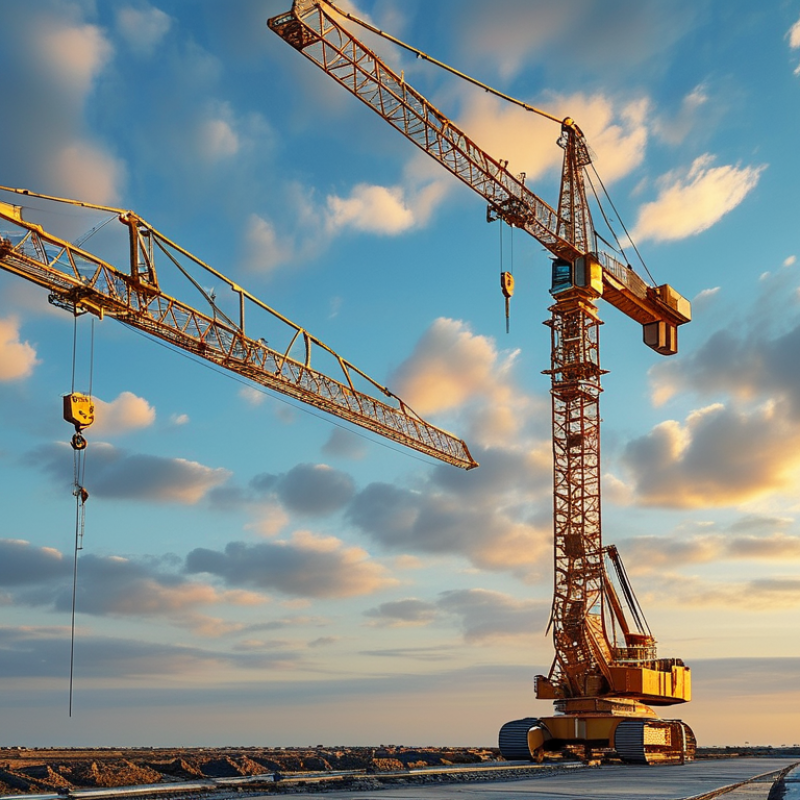
A mobile boom crane is a versatile lifting equipment designed for various construction and maintenance tasks. Its design features a long extendable arm, called a boom, that enables operators to lift heavy loads to significant heights. This unique ability makes it ideal for construction sites, maintenance of buildings, and industrial applications where access is limited.
Unlike traditional cranes, mobile boom cranes are easy to transport. They can be moved from one job site to another with minimal effort, providing considerable flexibility. The ability to set up quickly also contributes to their popularity. However, using a mobile boom crane requires significant skill and safety precautions. Improper operation can lead to accidents or equipment failure, underlining the need for trained professionals.
An essential aspect of mobile boom cranes is their weight capacities, which vary widely among models. Users must choose the right crane based on load requirements and site conditions. This decision-making process can sometimes be daunting. Balancing efficiency and safety in crane selection often necessitates expert consultation and thorough research. An experienced operator is critical for maximizing this equipment's potential while minimizing risks.
Key Features and Components of Mobile Boom Cranes
Mobile boom cranes are versatile tools in construction and industrial settings. They feature an extendable boom that allows for lifting and positioning heavy loads with precision. Their compact design makes them ideal for use in tight spaces where larger cranes cannot operate.
Key components include the boom, which can extend to reach various heights and angles. They also possess a rotating base that provides flexibility in maneuvering. Safety features, like load limit indicators, help prevent overloading. The control systems can range from manual levers to advanced remote operations, ensuring ease of use for operators.
Choosing the right mobile boom crane can be challenging. Factors like lift capacity, boom reach, and operating environment must be considered. Users may find themselves struggling with these choices, leading to mistakes. Regular maintenance is also essential, as neglecting it can result in unexpected failures. Understanding these key features helps users make informed decisions for their specific needs.
Mobile Boom Crane Features Comparison
Advantages of Using Mobile Boom Cranes in Various Industries
Mobile boom cranes are essential tools across various industries. They offer superior flexibility in lifting operations, especially in tight spaces or uneven terrains. These cranes can be quickly set up and moved, which saves valuable time on job sites. Construction, manufacturing, and logistics sectors benefit greatly from their adaptability.
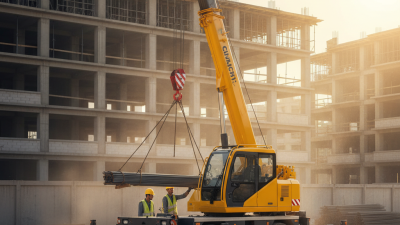
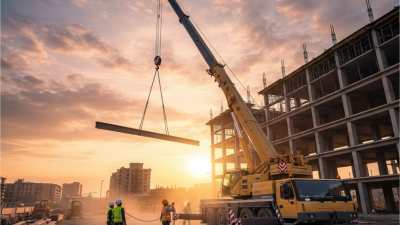
In the construction industry, mobile boom cranes efficiently lift heavy materials like steel beams or concrete slabs. Their ability to extend and retract allows operators to navigate complex environments. In the logistics sector, these cranes simplify loading and unloading tasks. They ensure safety and speed in material handling, which is crucial for maintaining workflow.
Reflecting on the use of mobile boom cranes, there are challenges. Operators need proper training to utilize these machines effectively. Understanding load limits is crucial for safety. A lack of experience might lead to accidents, highlighting the need for skilled operators. Investing in training and education increases reliability and effectiveness in operations.
Common Applications and Use Cases for Mobile Boom Cranes
Mobile boom cranes are versatile machines commonly used in construction and heavy lifting. Their ability to reach challenging heights and maneuver in tight spaces makes them indispensable in various industries. A key application is in building construction, where they lift materials to high floors. This capability speeds up the process and enhances safety by reducing manual handling.
Another common use is in industrial settings, such as warehouses and manufacturing facilities. Here, mobile boom cranes are employed to move heavy loads between areas. Their mobility allows companies to adapt to changing circumstances, like fluctuating project demands. However, operating these cranes requires skilled personnel. Improper usage can lead to accidents, highlighting the need for training and certification.
In the entertainment industry, mobile boom cranes are often used for filming. They enable camera operators to achieve stunning aerial shots that enhance production quality. While they offer great potential, there can be challenges, such as stabilizing the equipment during windy conditions. Operators must remain vigilant and practice caution to ensure safety and effectiveness.
Safety Considerations When Operating Mobile Boom Cranes
Mobile boom cranes are vital in construction, offering versatility and lifting power. However, operating these machines requires thorough safety considerations. The Bureau of Labor Statistics reports that crane-related accidents resulted in over 200 deaths in recent years. This statistic emphasizes the need for proper training and vigilance.
Safety starts with operator training. OSHA outlines that 70% of crane accidents are due to operational errors. Regular safety assessments and adherence to guidelines can drastically reduce risks. Operators should always be certified. Routine inspections of the crane's mechanical parts are crucial. A faulty crane can turn a routine job into a disaster.
Communication is another critical aspect. A dedicated signal person can significantly improve safety. Inexperienced operators may overlook essential signals. Implementing a robust communication plan ensures everyone understands their role. Remember, even minor distractions can lead to serious incidents. Awareness and preparation are key when working with mobile boom cranes.
What is a Mobile Boom Crane and Why Do You Need One?
| Feature |
Description |
Safety Considerations |
| Load Capacity |
Ranges from 5 to 50 tons depending on the model |
Always check the weight limit before operation |
| Boom Length |
Can extend from 20 to 100 feet |
Ensure the boom is fully extended and stable |
| Setup Time |
Can be set up within 30 minutes |
Conduct a thorough site inspection before setup |
| Training Requirements |
Operators must be certified |
Regular training updates are necessary |
| Working Environment |
Suitable for both construction and industrial sites |
Check for overhead hazards and uneven ground |
| Weather Conditions |
Operational in various weather conditions |
Avoid operation during strong winds or storms |