What Is a Mobile Boom Crane and How Does It Work?

A mobile boom crane is a lifting machine built for changing worksites. It combines a truck or crawler carrier, a rotating upper structure, and an extendable boom. Hydraulic cylinders raise the boom. A hoist line then moves the load vertically. The slewing system turns the crane around its central bearing.

The details matter. Outriggers widen the crane’s support footprint on firm ground. Counterweights resist overturning forces. The operator studies the load chart before lifting, not after trouble begins. That chart considers boom length, working radius, angle, and ground conditions. A 10-ton load may exceed capacity when the radius increases by only a few metres. Small changes matter.

Grand View Research estimates that the global mobile crane market was worth billions of dollars in recent years, with continued growth forecast through 2030. Mordor Intelligence also identifies infrastructure, energy, and construction investment as major demand drivers. These forecasts show commercial momentum, but forecasts are not field truth. Actual safety depends on inspection, competent operation, accurate rigging, and honest site assessment.

Graham Brent, former chief executive of the National Commission for the Certification of Crane Operators, expressed the central lesson clearly: “The operator is the last line of defense.” That statement deserves reflection. Modern controls cannot correct a misunderstood load chart or unstable soil. A mobile boom crane is powerful, precise, and unforgiving. This article explains its main components, operating sequence, capacity limits, and practical safety checks. The explanation will remain technical, yet grounded in what operators see: steel pads settling, hydraulic hoses flexing, and a suspended load beginning to swing.
What Is a Mobile Boom Crane and How Does It Work?

Definition and Main Features of a Mobile Boom Crane

What Is a Mobile Boom Crane and How Does It Work?

Definition and Main Features of a Mobile Boom Crane

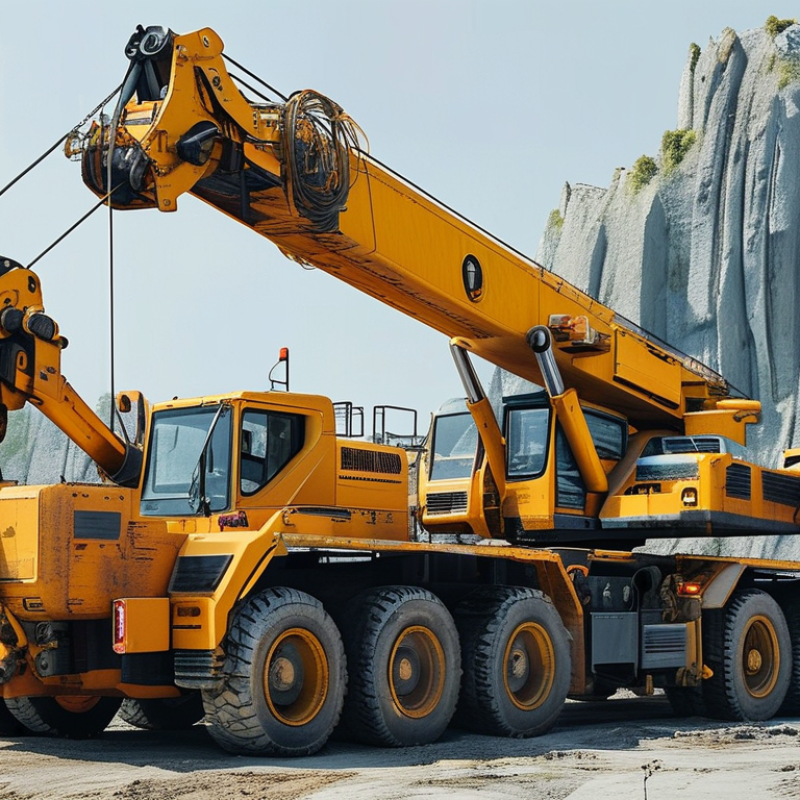
A mobile boom crane is a lifting machine mounted on a movable vehicle or wheeled platform. It carries heavy materials between work areas without permanent installation. Its boom extends upward and outward, creating the reach needed for construction, maintenance, and industrial lifting.

The crane works through hydraulic cylinders, a hoist, wire rope, and a lifting hook. An operator controls the boom angle, rotation, and load movement from the cab. Outriggers widen the support base and improve stability on suitable ground. Common features include telescopic boom sections, load moment indicators, counterweights, and adjustable lifting speeds. These systems help operators understand changing load conditions, although electronic warnings cannot replace judgment. A wet surface or uneven shoulder can still create serious instability.

Tips: Check the load chart before every lift. Confirm the load weight, lifting radius, and boom length. Inspect wire ropes, hooks, tires, and hydraulic lines for visible damage. Position outriggers on firm, level ground, using suitable support pads when necessary. Keep people outside the swing area and never lift beyond the rated capacity. In real work, rushed setup causes many avoidable problems. A careful operator pauses when conditions seem unclear. Manufacturer instructions and local safety requirements should always guide the lifting plan.
Core Components and Their Functions

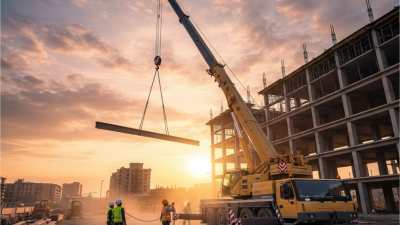
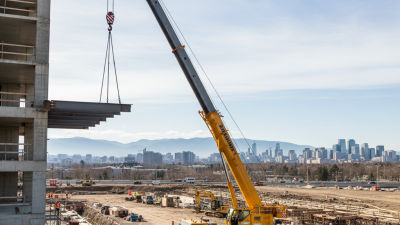
A mobile boom crane combines a truck-mounted chassis with a rotating lifting system. During equipment inspections, I check the chassis first because stable movement supports every later operation. Heavy-duty tires carry the crane between work areas. Hydraulic outriggers extend from the frame and spread the load across the ground. They must sit on firm, level support. Soft soil can reduce stability quickly.

The turntable, or slew ring, allows the upper structure to rotate. Its hydraulic motor controls the swing, while the boom changes reach and height. Telescopic sections may extend through hydraulic cylinders, although real lifting capacity decreases as the boom reaches farther. A winch winds steel rope around a drum and raises the hook. The hook, sling, and connecting hardware transfer force to the load. A counterweight balances part of the machine, but it cannot correct poor setup. The operator uses controls, load charts, and limit indicators to manage radius, weight, and movement. Small errors matter.

Tips: Inspect hoses, pins, ropes, and hook latches before lifting. Confirm the load weight and lifting radius. Keep people outside the swing area. Never rely on appearance alone; hidden ground weakness is easy to miss. Stop when readings, sounds, or movement seem unusual. A careful pause is not wasted time.

How a Mobile Boom Crane Operates Step by Step

A mobile boom crane combines a truck or crawler base with a rotating upper structure, telescopic boom, wire rope, and hook. Its operation begins before lifting. The operator checks ground strength, weather, boom condition, hydraulic lines, outriggers, and the rated load chart.

The U.S. Occupational Safety and Health Administration recorded 632 crane-related deaths in construction from 2003 to 2008, showing why preparation matters.

The crane is positioned on firm, level ground. Outriggers extend and transfer weight away from the tires or tracks. Workers establish an exclusion zone around the swing radius. Next, the operator selects the correct boom length and lifting angle. Hydraulic cylinders raise the boom, while a hoist drum pays out or retrieves wire rope. The hook moves vertically when the hoist changes rope length.

The load is attached with inspected slings and balanced before elevation. A signal person guides the operator when visibility is limited. The operator lifts slowly, pauses, and watches for load swing, ground settlement, or unusual hydraulic noise. Slewing then moves the load across the work area. Boom extension changes reach, but it also reduces capacity. The crane’s load moment indicator helps monitor this relationship, as required within ASME B30.5 practice.

The sequence looks controlled. Real sites are less perfect. A hidden void can defeat careful leveling. After placement, the operator lowers the load gently, releases tension, retracts the boom, and secures the crane. A final inspection should record defects, weather changes, and any near miss. That record improves the next lift.

Common Types and Their Typical Applications

What Is a Mobile Boom Crane and How Does It Work?

A mobile boom crane uses a rotating boom to lift, move, and place heavy materials. Its carrier allows the crane to travel between work areas. Hydraulic cylinders extend the boom and control its movement. Operators adjust the boom angle, lifting radius, and load speed from the cab. Stability depends on outriggers, ground strength, and accurate load calculations.

Truck-mounted cranes suit road construction, utility repairs, and material delivery. They can travel quickly between sites and set up beside busy streets. Rough-terrain cranes have strong tires and compact frames. They work well on uneven ground, such as building sites and undeveloped areas. All-terrain cranes combine road mobility with high lifting capacity. Contractors often use them for bridges, industrial plants, and large structural work.

Crawler cranes move on tracks instead of tires. Their wide frames spread weight across soft ground, making them useful for heavy lifts and long projects. Telescopic cranes extend their booms in sections, while lattice-boom cranes use connected steel pieces for greater reach. Each design has limits. A truck-mounted crane may struggle on weak soil, and a crawler crane may require transport between locations. In practice, site conditions often matter more than advertised capacity. I have found that access routes, overhead lines, and weather can change the safest choice within hours. A careful lifting plan should confirm load weight, radius, ground pressure, and communication procedures before work begins.

What Is a Mobile Boom Crane and How Does It Work? - Common Types and Their Typical Applications
Crane Type How It Works Typical Capacity Range Typical Boom or Reach Typical Applications Key Operating Characteristics
Truck-Mounted Telescopic Crane A hydraulic telescopic boom extends and retracts from a crane mounted on a commercial truck chassis. Hydraulic cylinders and winches control lifting, boom movement, and load positioning. Approximately 5–80 tonnes, depending on chassis size, boom configuration, and counterweight. Commonly about 10–60 m of maximum boom length.
  • Urban construction
  • Equipment installation
  • Utility maintenance
  • Roadside lifting and delivery
  • Short-term construction projects
Fast to mobilize and suitable for public roads. Outriggers are normally deployed to improve stability during lifting.
Rough-Terrain Crane A telescopic boom is mounted on a compact, four-wheel-drive carrier. Hydraulic steering, large tires, and outriggers allow the crane to work on uneven or undeveloped sites. Approximately 10–100 tonnes. Commonly about 15–50 m, with optional lattice or jib extensions on some configurations.
  • Building construction sites
  • Industrial plants
  • Infrastructure projects
  • Bridge and precast installation
  • Remote or uneven terrain
Excellent off-road maneuverability, but generally requires transport to travel long distances because road speed and road equipment may be limited.
All-Terrain Crane Combines a road-going multi-axle carrier with all-wheel steering, hydraulic suspension, and a telescopic boom. It can travel between sites and operate on prepared or moderately uneven ground. Approximately 40–1,000 tonnes; larger units require detailed transport planning. Commonly about 30–100 m of telescopic boom, with additional lattice or luffing extensions available on selected models.
  • Heavy industrial construction
  • Power and energy projects
  • Wind-energy component handling
  • Bridge construction
  • Large equipment placement
Offers a broad balance of highway mobility and lifting performance. Setup time and ground preparation increase with crane size.
Crawler Crane A lattice or telescopic boom is mounted on crawler tracks. The tracked undercarriage distributes machine weight over a large contact area and provides strong stability. Approximately 40–3,000 tonnes, with capacity determined by configuration and working radius. Commonly about 30–120 m; lattice boom systems can be configured for greater height and reach.
  • Wind-turbine installation
  • Major civil engineering
  • Bridge and harbor construction
  • Heavy industrial assembly
  • Long-duration construction sites
Can travel short distances while carrying certain loads, but normally requires disassembly and transport between distant sites. Ground bearing pressure must still be assessed.
Truck-Mounted Knuckle-Boom Crane A hydraulically articulated boom folds at one or more joints. The operator uses hydraulic cylinders and a control system to position the load with relatively precise movements. Approximately 1–30 tonnes. Commonly about 5–25 m, depending on the number of boom sections and extensions.
  • Material delivery
  • Roofing and framing work
  • Utility service
  • Construction material placement
  • Loading and unloading operations
Folds into a compact profile for transport and storage. Its articulated geometry is useful when placing loads over obstacles or into confined areas.
Pick-and-Carry Mobile Crane A compact mobile crane lifts a load with a short boom and travels slowly with the load suspended. Some designs use a fixed counterweight and do not require full outrigger deployment. Approximately 1–15 tonnes. Commonly about 5–20 m.
  • Factory and warehouse work
  • Maintenance operations
  • Indoor or restricted-site lifting
  • Precast and pipe handling
  • Short-distance load relocation
Compact and maneuverable. Traveling with a suspended load is permitted only when the crane is designed for it and the manufacturer’s load chart allows it.
Telescopic Boom Crawler Crane A hydraulic telescopic boom is installed on a crawler undercarriage. The boom extends through nested sections while the tracks provide low-speed mobility and ground contact. Approximately 10–150 tonnes. Commonly about 10–50 m.
  • Residential and commercial construction
  • Pipeline and utility projects
  • Land development
  • Work on soft or unfinished ground
  • Compact-site lifting
Provides better site mobility than many wheeled cranes on unfinished ground while retaining the setup flexibility of a telescopic boom.
Truck-Mounted Lattice-Boom Crane A lattice boom is assembled from pin-connected sections and raised by a boom hoist system. Its length can be increased with additional sections and extensions. Approximately 30–300 tonnes. Commonly about 25–90 m, depending on the boom and jib arrangement.
  • Bridge and infrastructure work
  • Industrial equipment lifting
  • Utility construction
  • Long-reach erection tasks
  • Projects requiring high boom strength
Offers an efficient strength-to-weight ratio at long boom lengths, but assembly, transport, and site setup generally take longer than for telescopic cranes.
Common Lifting Mechanism A hydraulic pump supplies pressurized fluid to cylinders that raise, lower, extend, or articulate the boom. A hoist drum winds a wire rope connected to a hook or lifting attachment. The rated capacity varies with boom length, operating radius, counterweight, configuration, and ground conditions. Capacity normally decreases as the working radius and boom length increase. Used for lifting, lowering, positioning, loading, unloading, and assembling heavy materials or equipment. The load moment indicator, rated-capacity limiter, angle sensors, and operator controls help monitor the crane, but they do not replace a lift plan or trained supervision.
Main Stability Factors Stability depends on the crane’s counterweight, outrigger configuration, carrier condition, boom geometry, load radius, and the strength and levelness of the supporting surface. The applicable load chart must be followed for the exact crane configuration and working condition. A longer radius creates a greater overturning moment and usually reduces allowable lifting capacity. Relevant to every mobile boom crane operation, particularly lifts near edges, slopes, trenches, soft soil, or overhead hazards. Ground assessment, outrigger mats, exclusion zones, communication procedures, and pre-use inspections are essential parts of safe operation.
Note: Capacity and reach figures are broad industry-typical ranges rather than guaranteed ratings. Actual performance must be verified using the crane’s manufacturer-rated load chart, configuration data, site conditions, and applicable local regulations.

Safety Systems, Operating Limits, and Maintenance Needs

A mobile boom crane carries a rotating boom on a road-going carrier. The boom lifts loads through hydraulic power, wire rope, and controlled winches. Its rated capacity changes with boom length, working radius, counterweight, and outrigger position.

OSHA guidance reports about 44 crane-related workplace deaths annually in the United States. That figure makes operating limits more than paperwork. The load chart must match the crane’s configuration. Ground strength, slope, wind, and nearby structures also matter. A load may look light, yet become unsafe when the radius increases.

Safety systems include overload protection, boom angle indicators, anti-two-block devices, emergency stops, and load moment indicators. These systems assist operators, but they do not replace judgment. A sensor can fail. A distracted signaler can create confusion. Operators should test alarms before lifting and use clear hand signals or radio communication. ASME B30.5 and ISO 12480-1 provide widely used guidance for mobile crane operation and planning. Still, a perfect checklist cannot correct poor ground preparation.

Maintenance begins with a documented pre-shift inspection. Check hydraulic hoses for wetness, hooks for deformation, wire ropes for broken strands, and tires for damage. Inspect outriggers before loading them. Keep inspection records specific, not vague. “Checked” is weak evidence. Planned maintenance should follow service intervals and address abnormal noise immediately. An overlooked leak can become a sudden loss of control. Weather data also deserves attention; wind limits should come from the manufacturer’s instructions and the lift plan, not guesswork. Industry reports often highlight equipment failure, but routine human shortcuts remain difficult to measure. That gap deserves honest review.