Top Small Lifting Crane Options for Your Project Needs?
When working on construction or industrial projects, choosing the right equipment is crucial. A small lifting crane can greatly enhance efficiency and safety. These cranes are versatile and perfect for confined spaces. They lift heavy materials with ease while occupying minimal ground space.
The market offers various options for small lifting cranes. Each type comes with its unique features and benefits. It’s essential to evaluate your specific needs. Consider load capacity, height, and the environment where the crane will be used. Some projects might require a robust model, while others benefit from something more portable.
However, not all small lifting cranes are built the same. Choosing poorly can lead to inefficiencies or even accidents. Reflecting on your project requirements is vital. Selecting the best small lifting crane means balancing performance and safety. It’s a process worth investing time in to ensure a successful project outcome.
Understanding the Different Types of Small Lifting Cranes
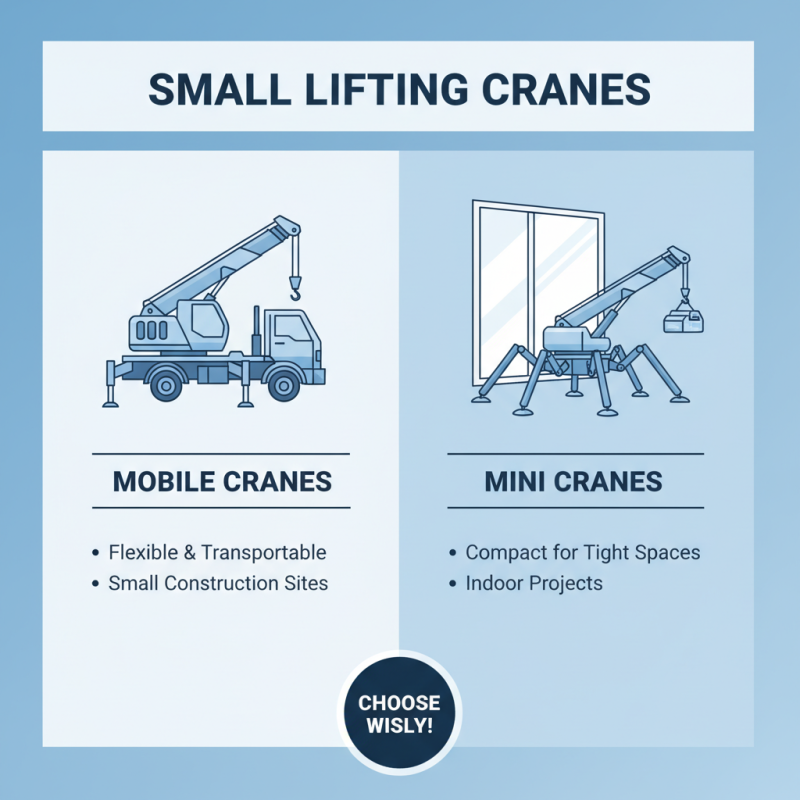
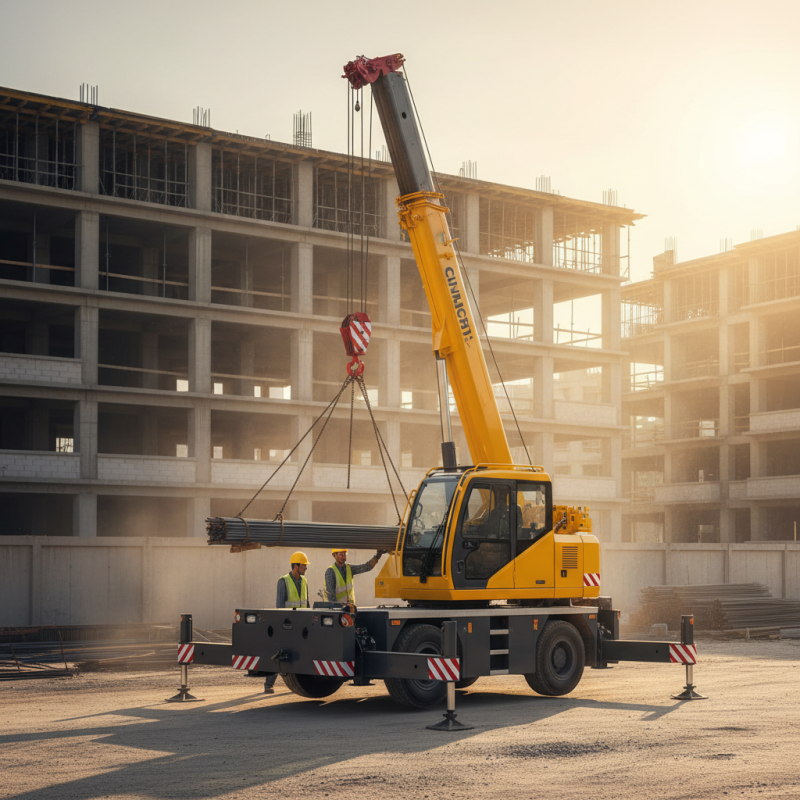
When choosing a small lifting crane, it's essential to understand the various types available. These cranes vary in their design, capacity, and operational needs. For instance, mobile cranes offer flexibility and can be transported easily. They are ideal for small construction sites. On the other hand, mini cranes are compact and suitable for tight spaces, making them a good choice for indoor projects.
Electric hoists provide another option. They are powered by electricity and usually have a higher lifting capacity. However, they may require a reliable power source. If your project needs portability, then foldable or compact cranes might be worth considering. They are lightweight and easy to set up, but their lifting ability can be limited. Evaluating the specific requirements of your task is crucial when selecting the right crane.
Choosing the correct small lifting crane can be challenging. Often, users overlook weight limits and designated load spaces. Failing to adhere to these factors can lead to accidents or equipment damage. It’s vital to consult with experts or conduct thorough research. Mistakes during the selection process can cost time and resources in the long run. Therefore, understanding your project needs and limitations is essential for effective decision-making.
Key Factors to Consider When Choosing a Small Lifting Crane
When selecting a small lifting crane, several key factors come into play.
The weight capacity is crucial.
It determines the maximum load the crane can lift safely. Choose a crane that exceeds your heaviest load.
Overestimating can lead to accidents. Always check the specifications thoroughly.
Consider the height and reach of the crane.
Different projects may require various lifting heights.
A crane that doesn't reach your desired height might be useless. Mobility is another factor.
Some cranes are more portable than others. Depending on your job site, you may need a crane that moves easily.
Think about the power source.
Electric or diesel?
Each has its advantages. Electric cranes are quieter but may have limited run time.
Diesel cranes can run longer but are noisy and produce emissions. Reflect on what suits your needs best.
It may not be perfect. Each option has compromises.
Assess factors carefully to make the right decision for your project.
Top Brands and Models for Small Lifting Cranes
When considering small lifting cranes, several factors impact your choice. The market shows that the demand for compact lifting solutions is increasing. According to industry reports, small cranes have seen a growth rate of approximately 5% annually over the past five years. Users appreciate their versatility and efficiency. Models vary significantly in their lifting capacities, ranging from 500 pounds to over 5 tons. Selecting the right model is crucial for successful project execution.
One key tip is to know your lifting requirements. Evaluate the weight of the items you'll lift and the height you need. The right crane will save time and increase safety. Many professionals overlook equipment compatibility with their existing systems. This can lead to inefficiencies or increased costs. Always double-check specifications before making a purchase.
Consider that some models may be easy to use but lack advanced features. You might find it tempting to choose the simplest option. However, complex projects may demand more sophisticated capabilities. This decision often requires deeper reflection on the project’s specific needs. The right small lifting crane can streamline operations and enhance productivity. Prioritize understanding both features and limitations when exploring options.
Top Small Lifting Crane Options for Your Project Needs
| Model |
Lifting Capacity (lbs) |
Max Height (ft) |
Weight (lbs) |
Power Source |
| Model A |
1000 |
10 |
300 |
Electric |
| Model B |
1500 |
12 |
400 |
Gas |
| Model C |
2000 |
14 |
500 |
Hydraulic |
| Model D |
1200 |
9 |
350 |
Electric |
Safety Features and Guidelines for Small Lifting Cranes
When using small lifting cranes, safety should be a primary concern. Data from the Occupational Safety and Health Administration (OSHA) indicates that improper operation is a leading cause of accidents. In a recent report, nearly 25% of lifting-related accidents involved inadequate safety measures. Hence, operators must receive proper training. Training lowers risks significantly and ensures adherence to safety protocols.
Another crucial aspect is maintaining equipment. According to a recent survey, 30% of crane incidents stem from equipment failure. Regular inspections are vital. Operators should check weight limits and ensure that hooks and cables are in good condition. A simple visual check can prevent severe outcomes. Furthermore, users must be aware of their working environment. Overhead hazards and unstable ground can create dangerous situations.
Moreover, companies should implement guidelines that promote a safety-first culture. For example, utilizing spotters during lifting operations can enhance situational awareness. It is essential to have clear communication among team members. Regular safety meetings can be beneficial. Fostering open discussions about safety experiences helps to refine practices. However, some companies still overlook these critical elements. They risk accidents due to negligence, which is a scenario that must be avoided.
Top Small Lifting Crane Options for Your Project Needs
Common Applications for Small Lifting Cranes in Various Industries
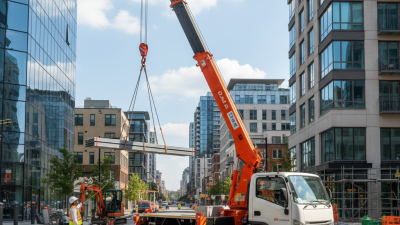
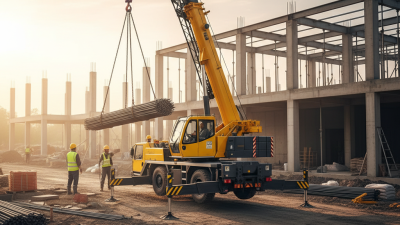
Small lifting cranes play a crucial role in various industries. These cranes are versatile tools, suitable for construction sites, warehouses, and docks. In construction, they help lift heavy materials like beams and cement blocks. This makes tasks quicker and safer.
In the manufacturing industry, small cranes assist with moving components around assembly lines. They are especially useful in tight spaces where larger machines cannot fit. The aviation sector also benefits from these cranes. They help in lifting parts for aircraft, ensuring safety and precision.
Despite their benefits, challenges exist. For instance, operators need proper training to avoid accidents. Regular maintenance is essential to ensure safety. Using cranes in crowded areas requires careful planning. Overlooking any of these aspects can lead to mistakes and potential hazards.