Buying a truck crane across borders is not a simple price comparison. It is a practical decision involving lifting capacity, road access, service support, operator training, and long-term operating costs. A low purchase price can become expensive when spare parts arrive late or the chassis cannot handle local terrain.
Tim Whiteman, a respected crane safety specialist and former CEO of IPAF, has said, “Safety is not a slogan; it is a way of life.” That principle belongs at the center of every truck crane purchase. Buyers should examine load charts, boom reach, outrigger stability, hydraulic performance, inspection records, and emergency systems. Small details matter. A muddy construction entrance, a narrow bridge, or a 12-hour shift can expose weaknesses that brochures hide.
This guide presents ten buying tips for global buyers. It considers both new and used equipment, including payload matching, emissions requirements, documentation, warranties, financing, maintenance access, and supplier credibility. Experienced buyers may still overlook local service coverage. That is an uncomfortable truth. Even experienced teams sometimes focus on maximum lifting capacity and forget daily transport limits.
The right truck crane should fit the worksite, not merely impress during a demonstration. Ask for real operating data, verify technical claims, and compare total ownership costs. A careful decision may take longer. It usually prevents bigger problems later.
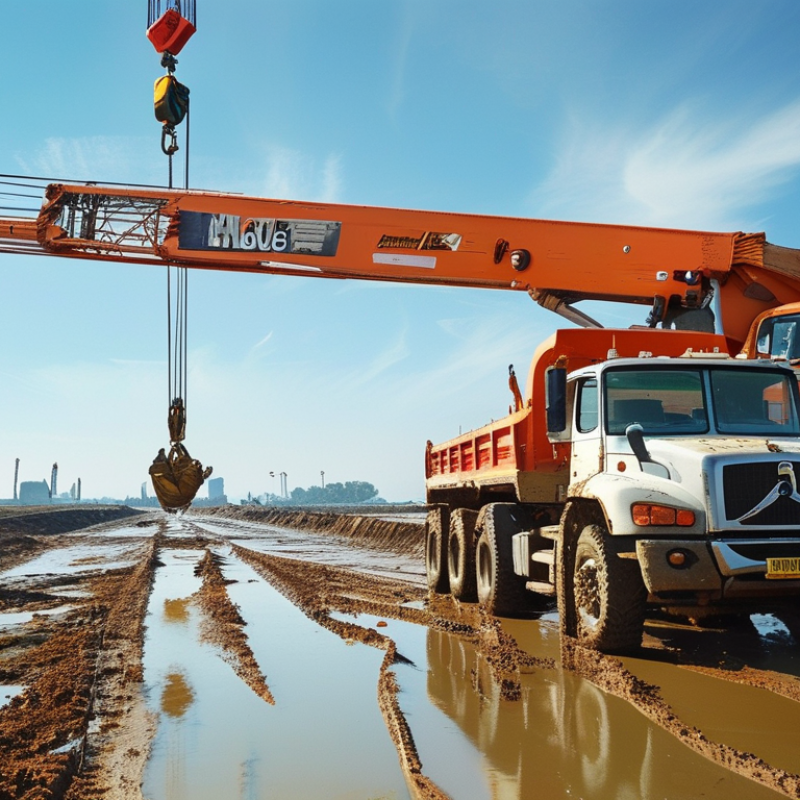
Before comparing prices, define the real lifting task. Record the maximum load, lifting radius, hook height, and daily cycle count. A 20-ton load near the truck may become unsafe at a longer radius. The crane’s rated capacity is not constant. Use the manufacturer’s load chart for every planned position.
The operating surface matters just as much. Measure road width, ground bearing capacity, slope, drainage, and overhead clearance. OSHA’s crane safety guidance emphasizes ground conditions, power-line clearance, and manufacturer procedures. Its review of U.S. data identified 297 crane-related occupational deaths between 2011 and 2017. That figure makes site planning more than paperwork. It is a purchasing requirement.
Weather can quietly change the job. Check wind exposure, temperature range, rain, dust, and altitude before selecting the truck crane. The World Meteorological Organization reported 2023 as the warmest year recorded, with extreme weather affecting many work sites. A coastal project may need stronger corrosion protection. A desert site may demand sealed electrical systems and better filtration. Cold regions can affect hydraulic response and tire performance.
Think beyond the ideal day. A neat spreadsheet can still mislead. Ask whether the crane can enter the site, stabilize safely, and leave without blocking emergency routes. Review local transport limits, operator training rules, inspection duties, and spare-part access. These details often cost more than expected. The correct crane fits the work environment, not merely the lifting number.

10 Truck Crane Buying Tips for Global Buyers
Compare Crane Capacity, Reach, Truck Design, and Key Specifications
Tip 1: Match lifting capacity to the real job, not the largest number in the brochure. A 10-ton rating may apply only at a short radius. Check the load chart at the planned reach, boom angle, and ground condition. Include slings, hooks, and attachments in the working load. I have seen purchases fail on paper because the load was measured beside the truck, not across the worksite. A smaller crane can be safer and more useful.
Tip 2: Compare reach with stability. A long boom offers wider access, but it may reduce lifting capacity at full extension. Check the number of boom sections, extension speed, and stabilizer width. Then measure narrow roads, low bridges, and turning areas at your operating site. Truck design matters as much as crane size. Review chassis payload, axle distribution, wheelbase, cab clearance, and service access. A powerful crane on a weak chassis creates expensive problems.
Tip 3: Study the complete specification, including hydraulic pressure, pump flow, PTO type, control system, safety devices, and transport dimensions. Request load-test records, maintenance guidance, spare-parts support, and operator training materials. Documents should use clear metric or imperial units. Do not assume every listed feature works equally well in heat, dust, or cold weather. My own buying mistake was trusting a clean specification sheet without checking local technicians and road conditions. The lesson still needs repeating.
| No. | Buying Dimension | What to Compare | Typical Reference Data | Why It Matters | Buyer Verification Checklist |
|---|---|---|---|---|---|
| 1 | Rated Crane Capacity | Rated lifting moment, maximum lifting capacity, and capacity at working radius. | Common truck-mounted cranes range from approximately 2 to 100 tonnes, while capacity decreases as boom reach increases. A 10-tonne rating may apply only at a short radius. | The maximum headline capacity does not represent the safe load at every position. | Request the complete load chart, rated capacity indicator details, and capacity data for the intended boom angle and radius. |
| 2 | Working Radius and Reach | Horizontal reach, maximum lifting height, boom sections, and optional jib length. | Typical hydraulic booms provide roughly 6 to 25 m of horizontal reach; telescopic sections and jibs can increase height and outreach but reduce lifting capacity. | The crane must reach the load without positioning the truck too close to buildings, trenches, or traffic lanes. | Compare load charts at the exact working radius, not only the maximum boom length. |
| 3 | Truck Chassis and Payload | Gross vehicle weight rating, axle loads, payload after crane installation, and wheelbase. | Medium-duty units commonly use two or three axles; heavy-duty configurations may use four or more. Crane, stabilizers, hydraulic equipment, and accessories reduce available payload. | An overloaded chassis can create safety, legal, tire, braking, and suspension problems. | Check the certified curb weight, remaining payload, axle distribution, and local road-weight limits. |
| 4 | Stabilizer Configuration | Number, span, extension method, ground-bearing area, and lifting capacity by stabilizer position. | Outriggers may be manual, hydraulic, or fully hydraulic. Wider stabilizer spread generally improves stability, but requires more setup space. | Stability depends on ground conditions, support width, load position, and vehicle leveling. | Confirm maximum and intermediate outrigger positions, pad size, ground pressure, and leveling indicators. |
| 5 | Boom and Jib Design | Boom material, number of telescopic sections, hydraulic cylinders, jib type, and hook options. | Two to five telescopic boom sections are common. A lattice or hydraulic jib can provide additional height, but adds weight and setup requirements. | Boom geometry affects reach, transport dimensions, service life, and lifting performance. | Review boom deflection limits, extension speed, transport locking devices, and spare-part availability. |
| 6 | Hydraulic System | Pump flow, operating pressure, oil capacity, control valves, filtration, and multi-function operation. | Many truck cranes operate with hydraulic pressures of approximately 20 to 35 MPa, depending on design and capacity class. | Hydraulic performance influences lifting speed, smoothness, heat generation, and simultaneous movements. | Verify pressure and flow specifications, oil cooling, hose protection, filtration grade, and maintenance access. |
| 7 | Safety and Control Systems | Load moment limiter, overload protection, emergency stop, anti-two-block device, and operator controls. | Modern configurations may include electronic load monitoring, proportional controls, remote control, boom angle sensors, and interlocks. | Safety systems help prevent overload, unstable operation, and unintended movement, but do not replace trained operation. | Confirm applicable local regulations, alarm functions, emergency procedures, and certification requirements. |
| 8 | Truck Dimensions and Mobility | Overall length, width, height, turning radius, ground clearance, approach angle, and drive configuration. | Road-legal widths are often near 2.5 to 2.6 m, but mirrors, stabilizers, and accessories may increase transport width. | A crane that cannot access the worksite or comply with transport limits may require permits or additional logistics. | Measure gates, bridges, slopes, road surfaces, turning areas, and clearance under power lines before ordering. |
| 9 | Engine, Transmission, and Fuel Use | Engine power, torque, emissions category, transmission type, PTO system, and fuel-tank capacity. | Power requirements vary widely by gross vehicle weight, terrain, drive axles, and crane size. PTO compatibility is essential for hydraulic operation. | The truck must travel safely while supplying sufficient hydraulic power during lifting operations. | Check fuel quality compatibility, emissions rules, service intervals, cold-weather performance, and local technician support. |
| 10 | Compliance, Service, and Total Cost | Certification, operator training, warranty, spare parts, inspection schedule, resale value, and total ownership cost. | Lifting equipment may require periodic inspection, documented maintenance, and qualified operators; requirements differ by country and application. | Purchase price alone does not reflect downtime, maintenance, import duties, insurance, permits, and compliance costs. | Obtain manuals, certificates, parts lists, warranty terms, preventive-maintenance plans, and a five-year operating-cost estimate. |
Note: The figures above are general industry reference ranges. Actual crane capacity, dimensions, axle loads, operating pressure, and regulatory requirements depend on the specific configuration, load chart, chassis, terrain, and country of operation.
When buying a truck crane, safety systems deserve more attention than lifting capacity. Inspect load moment indicators, emergency stops, overload protection, boom-angle displays, and outrigger sensors. Test them under controlled conditions. A warning light is not enough.
The International Labour Organization estimated 2.93 million work-related deaths and 395 million non-fatal injuries in 2023. These figures show why safety verification cannot remain a paperwork exercise. Check the crane’s test certificates, inspection history, rated-load charts, and wire-rope records. Confirm that documents match the exact serial number. Small details matter.
Regional compliance can change the buying decision. In the United States, review OSHA requirements under 29 CFR 1926 Subpart CC. European buyers should examine conformity with applicable machinery rules and EN 13000 requirements. In the United Kingdom, lifting equipment must meet LOLER inspection duties. Australia may require compliance with AS 1418.5. Ask whether local authorities accept the supplied certificates. They may not. HSE recorded 138 worker deaths in Great Britain during 2023/24, according to its annual fatal-injury report. That number cannot prove every crane purchase is unsafe, but it should encourage stricter checks. My checklist is not perfect. Independent inspection before delivery remains wise, especially when imported equipment has unfamiliar control labels or incomplete regional documentation.
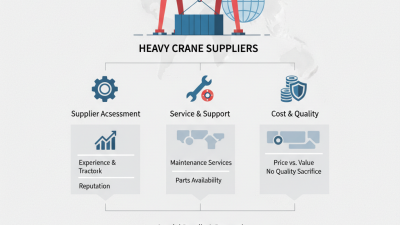
Buying a truck crane for global work is not only a lifting-capacity decision. Supplier quality shapes safety, uptime, and resale value. Ask for factory audit records, load-test reports, material traceability, and current certifications for your destination market. Request photos of welds, hydraulic lines, control panels, and corrosion protection. Better still, inspect a working unit. A polished brochure proves little. Check the details.
When comparing suppliers, speak with recent customers in similar climates. Ask how quickly parts arrived, whether technicians solved faults remotely, and if training matched operator skill levels. Confirm service coverage before signing: local technicians, multilingual manuals, spare-parts stock, response times, warranty exclusions, and diagnostic access. A low purchase price can hide long port delays and expensive specialist visits. Get every promise in writing, with measurable timeframes.
Calculate total ownership cost over five to ten years. Include fuel, tires, scheduled maintenance, insurance, inspection fees, financing, downtime, transport, and eventual resale value. Compare realistic workloads, not optimistic catalog figures. I once underestimated downtime during a hydraulic repair; the invoice was smaller than the lost work, but the lesson was not. Ask suppliers for maintenance intervals and failure-rate evidence, though data may be incomplete. That uncertainty deserves a contingency budget. Also test operator comfort, visibility, setup time, and stability on uneven ground. A crane that looks efficient on paper may frustrate crews every day.
Inspect, Test, and Finalize the Right Truck Crane Purchase
A truck crane may look impressive in photographs. Field inspection tells a different story. Check boom sections, welds, hydraulic hoses, outriggers, tires, and oil leaks under daylight. Measure the chassis mileage, service history, and previous load records. A clean paint finish can mislead.
Test it slowly.
Extend the boom through every section. Listen for pump noise, jerking cylinders, unusual vibration, or delayed braking. Confirm rated capacity at several working radii, not only the maximum headline figure. Verify the load chart, emergency stop, limit devices, hook latch, wire rope condition, and alarm functions. ISO 4309 provides recognized guidance for inspecting and discarding damaged wire rope. ISO 9927-1 also outlines general crane inspection practices.
Do not rely on seller statements alone. A CDC/NIOSH analysis reported 297 U.S. crane-related occupational deaths between 2011 and 2017. That figure supports a careful, documented acceptance test. Ask an independent qualified inspector to witness the test and record deflection, stability, controls, and brake performance. Confirm that the crane configuration matches local road limits, electrical standards, operator requirements, and service access.
Leave room for doubt.
Budget for tires, filters, hydraulic seals, calibration, transport, and operator training. My experience suggests buyers often underestimate downtime after delivery. Before signing, compare the serial plate with technical documents, secure a written warranty, define spare-parts responsibility, and retain dated photographs. A lower purchase price is not a lower operating cost.
A practical checklist showing how the ten purchase tips are distributed across inspection, testing, and finalization before signing a truck crane order.
Use the checklist to verify structural condition, lifting performance, documentation, operating costs, delivery terms, training, warranty coverage, and after-sales support.