How to Choose the Right Moveable Crane for Your Needs?

Choosing the right moveable crane begins with understanding the work, not browsing attractive product photos. A workshop lifting steel frames needs different support from a construction team positioning materials on uneven ground. Consider the maximum load, lifting height, working radius, floor condition, and available storage space. A compact mobile crane may suit indoor maintenance, while a heavier unit offers greater reach but demands stronger ground support. Measure the access route carefully. Door width matters.

Real experience often reveals problems that brochures overlook. Operators should check control visibility, wheel or caster quality, brake performance, and the ease of moving the crane under load. A clearly labeled load chart is essential, because capacity can change as the boom extends. Do not select equipment by maximum rated capacity alone. That shortcut can create unsafe assumptions. Manufacturer specifications, inspection records, and advice from a qualified lifting professional provide more dependable guidance. Local workplace requirements should also be reviewed before purchase or rental. Conditions vary, and a general recommendation may not fit every site. Think again.

A reliable decision balances safety, productivity, maintenance, and total cost. A low purchase price may hide frequent servicing or difficult replacement parts. Ask how often the crane will operate, who will use it, and how quickly support is available. Small details matter, such as emergency stops, lockable controls, and smooth steering around stored materials. The best choice is not always the largest or newest model. It is the moveable crane that matches real tasks, verified limits, and the people responsible for using it. Heresite mistakes happen. Good planning reduces them.
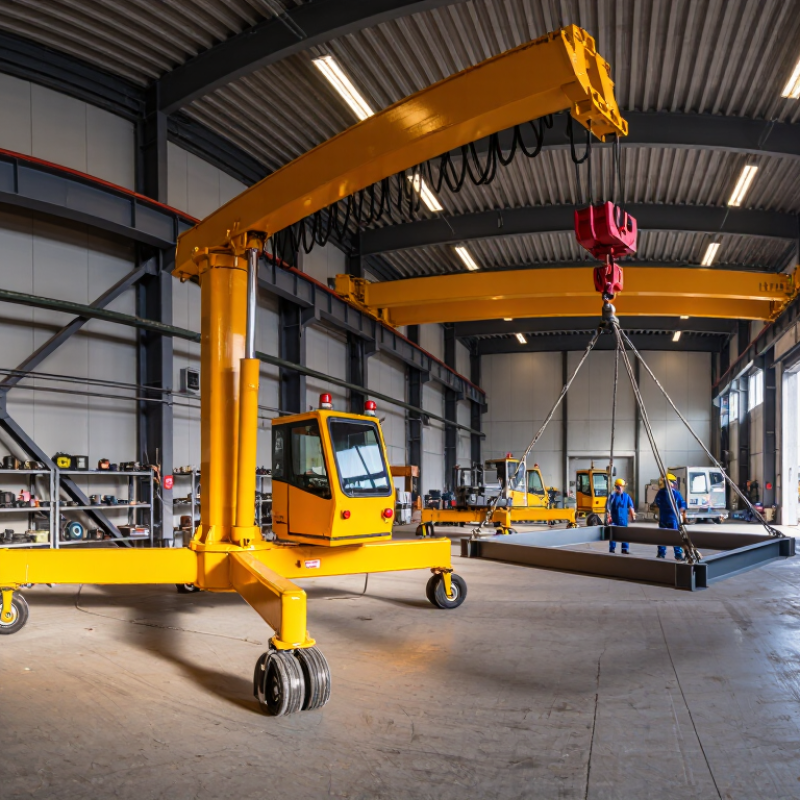
How to Choose the Right Moveable Crane for Your Needs?

Classify the Lift by Load, Radius, Height, and Required Duty Cycle

How to Choose the Right Moveable Crane for Your Needs?

Classify the lift before comparing crane models. Start with the load, including rigging, lifting beams, fuel, and attachments. A 5-ton machine may not lift 5 tons at every position. Check the load chart at the actual working radius. Radius means the horizontal distance from the crane’s center of rotation to the load. Small changes matter. A load near the crane may be manageable, while the same load becomes unsafe several meters farther away.

Height also changes the selection. Confirm the required hook height, boom angle, and clearance above roofs, pipes, or power lines. Then estimate the duty cycle. Occasional lifts may need different capacity and cooling performance than repeated production work. Consider ground bearing pressure, outrigger space, access width, and turning room. A perfect capacity calculation can still fail on weak ground.

Tips: Measure the site before requesting quotations. Record the heaviest load, farthest radius, highest lift, and expected lifts per hour. Ask for a recent load chart and inspection records. Include a safety margin approved by a qualified lifting professional. Do not rely on maximum rated capacity alone. In practice, site conditions often expose mistakes in early planning. My own rule would be to recheck every assumption, especially when the lift looks simple.
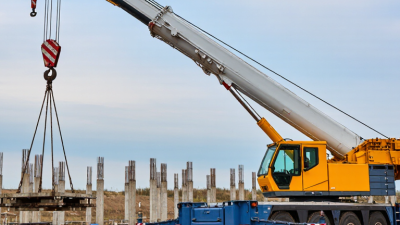

Read ASME B30.5 Load Charts to Confirm Rated Capacity at Radius

Choosing a moveable crane starts with its real lifting conditions, not its advertised maximum capacity. ASME B30.5 load charts help confirm the rated capacity at a specific working radius. That radius is measured from the crane’s center of rotation to the load’s center of gravity.

Measure it carefully.

A crane rated for 20 tonnes at 10 feet may lift far less at 30 feet. Check the chart for boom length, boom angle, counterweight, outrigger position, jib use, and parts of line. Confirm the chart matches the crane’s actual configuration. A chart from another setup can create a dangerous decision. When the radius falls between chart values, use the more conservative rating unless the manufacturer gives clear interpolation instructions.

Include the hook block, slings, spreader beams, and other lifting accessories in the total load. Their weight reduces available capacity. Ground strength also matters, because uneven settlement can change the working radius and crane stability. Wind can make a long load behave like a sail.

Do not trust a quick visual estimate.

Experienced lift planners verify the load weight, measure the radius on site, and review the chart before setup. I have seen teams focus on gross load weight while overlooking a longer boom position. That small oversight can change the lift plan completely. A qualified person should review unclear chart notes, unusual configurations, and changing site conditions before lifting begins.

How to Choose the Right Moveable Crane for Your Needs? - Read ASME B30.5 Load Charts to Confirm Rated Capacity at Radius
Crane Configuration Typical Rated-Capacity Band* Best-Suited Operating Conditions Common Applications Load-Chart Variables to Check Selection and Capacity Confirmation
Carry-Deck Crane Approximately 1–10 metric tonnes Compact, paved or prepared surfaces; limited access and short travel distances Indoor or plant maintenance, equipment positioning, building services, and short lifts Working radius, boom length, outrigger position, counterweight, pick-and-carry restrictions, and ground condition Use the chart for the exact configuration. Confirm whether the listed capacity applies while stationary or while traveling with the load.
Rough-Terrain Crane Approximately 10–100 metric tonnes Uneven or unpaved construction sites; usually transported between sites rather than driven long distances on public roads Industrial construction, infrastructure work, utility installation, and site material handling Outrigger setting, boom angle, boom length, radius, counterweight, tire condition, and allowable ground bearing pressure Read the rated-capacity chart for the selected outrigger and boom configuration. Do not substitute the maximum capacity at minimum radius for the capacity at the planned radius.
Truck-Mounted Crane Approximately 15–100 metric tonnes Roadable operations with relatively quick relocation between prepared work areas General construction, bridge work, plant installation, and urban lifting Outrigger spread, axle loading, counterweight, boom length, jib configuration, radius, and local road or site restrictions Verify the chart for the actual truck, boom, counterweight, and outrigger arrangement. Confirm that transport configuration and lifting configuration are not being confused.
All-Terrain Crane Approximately 40–1,000 metric tonnes Prepared roads and construction sites requiring both highway mobility and high lifting capacity Power projects, major infrastructure, industrial construction, and heavy equipment placement Boom and jib selection, counterweight, outrigger configuration, radius, wind limits, ground support, and site access Compare the planned load radius with the exact load-chart row. Include the hook block, slings, spreader beams, lifting devices, and other below-the-hook equipment in the load calculation.
Crawler Crane Approximately 40–3,000+ metric tonnes Large work areas with prepared travel paths and ground capable of supporting tracked loads Heavy civil construction, wind-energy work, refinery projects, bridge erection, and modular installation Track configuration, boom length, jib, counterweight, carbody position, travel condition, radius, ground bearing pressure, and wind restrictions Check whether the chart permits lifting over the side, over the front, or through 360 degrees. Confirm separate ratings for stationary lifting and travel with a suspended load.
Lattice-Boom Mobile Crane Approximately 50–1,000+ metric tonnes Large sites where assembly time is acceptable and long boom lengths or high capacity are required Heavy infrastructure, industrial modules, power-generation equipment, and long-radius lifting Boom and jib combination, mast or superlift system, counterweight, operating quadrant, radius, reeving, wind speed, and ground preparation Use the chart for the complete assembled configuration. A change in boom, jib, counterweight, or operating quadrant can change the rated capacity substantially.
Telescopic-Boom Mobile Crane Approximately 10–1,000 metric tonnes Projects requiring rapid setup, variable boom length, and flexible site-to-site deployment Commercial construction, maintenance, utility work, industrial lifts, and infrastructure projects Telescopic boom extension, boom angle, radius, outrigger position, counterweight, lifting mode, and ground condition Never estimate capacity from boom length alone. Read the chart at the actual boom length, radius, counterweight, and outrigger configuration.
Required Load-Chart Inputs The planned lift must be defined before crane selection Load weight, load dimensions, pick point, set point, lifting height, travel path, and required clearance Determine the maximum operating radius, total suspended load, boom or jib arrangement, counterweight, outrigger setting, and operating quadrant Use the least favorable planned condition. The rated capacity at the maximum radius normally governs the lift, subject to the applicable chart and local requirements.
Important: The capacity bands above are broad industry reference ranges, not universal rated capacities. ASME B30.5 does not assign one capacity to a crane type. The controlling value is the rated capacity shown in the crane manufacturer's current load chart for the exact machine configuration, radius, boom or jib arrangement, counterweight, outrigger or track condition, and operating quadrant.
Practical calculation: Total load on the crane should include the lifted object plus the hook block, wire rope below the boom point where applicable, slings, shackles, spreader beams, lifting fixtures, and other suspended accessories. Confirm the result against the applicable rated-capacity chart before the lift.

Evaluate OSHA 29 CFR 1926.1402 Ground Conditions and Travel Paths

How to Choose the Right Moveable Crane for Your Needs?

Choosing a moveable crane begins with the ground, not the lifting chart. OSHA 29 CFR 1926.1402 requires employers to ensure ground conditions support the crane, materials, and planned operations. The surface should be firm, level, and properly drained. Soft fill, hidden voids, standing water, and recently excavated soil deserve immediate attention. A visual check is useful, but it is not enough. Ask for site drawings, utility information, compaction records, and details about underground structures. I have seen a dry-looking surface fail after rain exposed weak soil beneath a travel lane.

Travel paths need the same careful review. Measure lane width, turning space, overhead clearance, slope, and edge setbacks before selecting equipment. Check bridges, temporary roads, ramps, trench areas, and transitions between surfaces. Remove loose debris and mark hazards clearly. If the crane must travel with a load, confirm that the route, speed, load position, and manufacturer’s instructions are compatible. Small obstacles can create sudden instability.

Use mats, cribbing, or engineered support when the ground cannot carry the expected pressure. Their placement matters. A poorly seated mat can shift like a doorstop. Coordinate with a qualified person and document changing conditions throughout the shift. Weather can alter the site quickly. That part is easy to underestimate. When information is incomplete, pause the selection process and obtain competent engineering advice rather than relying on experience alone.

Match Terrain, Outriggers, Boom Length, and Power to the Worksite

Choose a moveable crane by the ground it will actually cross, not by lifting capacity alone.

Soft fill, slopes, drainage channels, and overhead obstructions can change the entire setup. OSHA requires ground conditions to support the crane, materials, and planned load. Use mats or engineered bearing solutions when soil reports are weak. On tight sites, test the outrigger spread before delivery.

Outriggers need firm, level support and full deployment unless the load chart permits otherwise. Partial extension can sharply reduce capacity. Leave clearance for the swing radius and nearby traffic. Boom length should reach the furthest pick without excessive angle or side loading. Longer is not automatically better.

According to the U.S. Bureau of Labor Statistics’ Census of Fatal Occupational Injuries, construction recorded 1,075 deaths in 2023. That report does not isolate crane incidents, but it reinforces disciplined planning. For power, compare engine output, hydraulic demand, travel speed, and idle time. A crane that reaches the load but struggles on a ramp wastes time and fuel.

Tips: Walk the route with the operator. Measure soil bearing, turning space, and overhead clearance. Ask for a lift plan and current inspection records. I have seen teams choose by maximum capacity, then discover the boom cannot clear a roof edge. That mistake is avoidable, though field conditions still deserve a second review.

Verify EN 13000 Compliance, Inspections, and Operator Qualifications

How to Choose the Right Moveable Crane for Your Needs?

Choosing a moveable crane should begin with safety documentation, not lifting capacity alone. Verify that the crane is designed and assessed under EN 13000, where applicable. Request the declaration of conformity, technical file references, load charts, and the latest inspection records. These documents should match the crane’s serial number and configuration. A certificate without matching records is not enough. It may indicate outdated equipment or missing modifications.

Inspections should cover structural components, hydraulic systems, brakes, safety devices, outriggers, and load moment limiters. Competent inspectors should record findings, test results, and required repairs. Check inspection frequency against local regulations and site conditions. Dust, salt air, uneven ground, and frequent relocation can shorten inspection intervals. Operator qualifications matter equally. Operators should hold legally recognized training for the crane type and understand rated capacities, signaling, ground stability, and emergency procedures. Training may look complete on paper, yet practical ability can still vary.

Tips: Ask to observe a practical assessment. Confirm that the operator can read the actual load chart, not just explain it. Review maintenance trends, not only the latest report. If records are unclear, pause the purchase. This can feel cautious, but a rushed decision often costs more later. Even experienced teams can overlook small inconsistencies.