Choosing a telescopic crane starts with the lift, not the machine’s headline capacity. A load may weigh six tonnes, yet its required working radius can change the crane size entirely. Add a narrow access road, soft ground, or overhead obstructions, and the shortlist changes again.
The U.S. Bureau of Labor Statistics reported 1,075 fatal work injuries in the construction industry in 2023. This figure is not crane-specific, but it underlines why careful planning matters. Mike Parnell, a crane-training specialist, has emphasized lift planning in his professional work. A concise paraphrase of that principle is: “Plan the lift before choosing the crane.” This is a paraphrase, not a verbatim quotation.
Small details matter. Before comparing models, confirm the load weight, lift height, working radius, pick-and-carry needs, and site conditions. Then check the manufacturer’s load chart for the exact configuration. Boom length alone does not tell you the crane’s safe capacity. Outriggers, counterweight, boom angle, and ground support can all affect the result. A slightly larger crane may seem like the easy answer, but restricted access or setup space can make it unsuitable.
This guide explains how to match a telescopic crane to real job requirements, compare key specifications, and ask suppliers useful questions. It also highlights a common mistake: relying on estimates when measured site details are available. A careful choice takes time. Rechecking the figures is worthwhile.
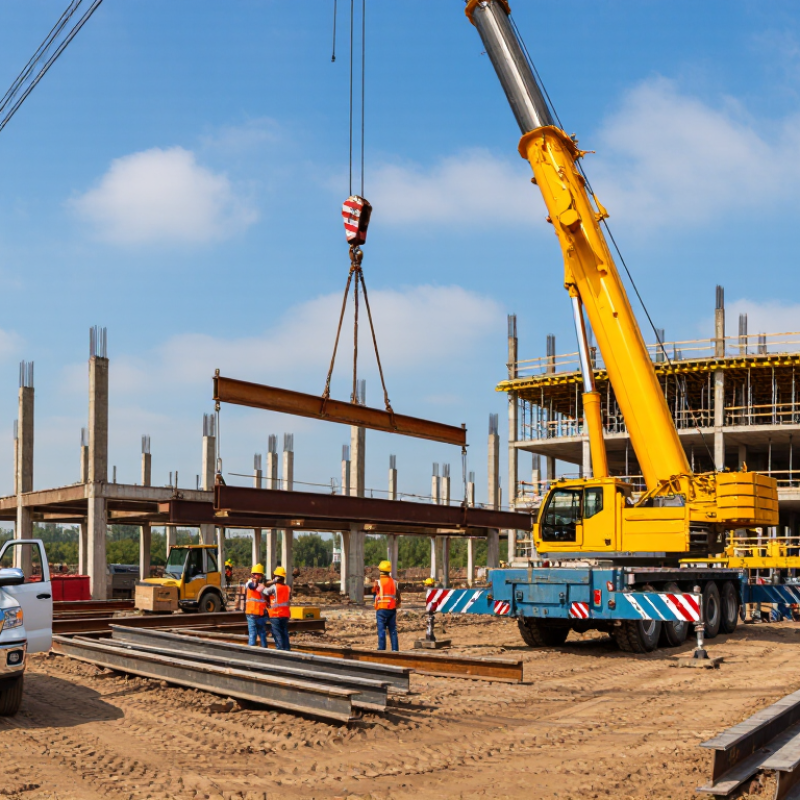
Before choosing a telescopic crane, define the work it must perform. A unit lifting steel beams onto a low-rise building may need different reach and capacity than one moving equipment across a yard. Record the heaviest load, its dimensions, the required lift radius, and the highest placement point. A load’s weight is only part of the picture; capacity can change sharply as the boom extends.
Check the operating conditions at the actual site. Note ground firmness, slope, overhead obstructions, wind exposure, and available setup space. A crane that fits the access road may still lack room to deploy its outriggers safely. Consider how often lifts occur, whether work is indoors or outdoors, and how quickly the crane must move between tasks. Review the load chart for the planned configuration, and confirm site details with a qualified crane professional. Plans can look tidy on paper, yet a soft patch of ground can change the decision.
Tips: Photograph access routes and the setup area. Measure clearances, not just the work zone. List typical and maximum loads separately. If conditions vary, choose based on the most demanding routine lift, then verify each lift against the crane’s rated limits.
Start with the heaviest load, not its nameplate weight alone. Add the hook block, slings, spreader beam, and any other suspended gear. For example, a 5-tonne machine plus 300 kilograms of rigging means the crane must handle at least 5.3 tonnes at the required setup. Small items count.
Measure the working radius horizontally from the crane’s centre of rotation to the load line at the pick and set-down points. A load may need to travel farther than expected. Measure twice. Then check the manufacturer’s load chart for that radius, boom length, boom angle, outrigger position, and counterweight configuration. The chart’s capacity must cover the total suspended load; never estimate capacity from boom length alone.
Reach is not the same as radius. The boom must extend far enough to clear walls, machinery, or other obstacles while maintaining the required radius. Sketch the lift path and mark the load’s furthest point. Recheck the setup if the crane position changes, even slightly.
Ground conditions and wind can also affect whether the planned lift is suitable. I have seen a neat site sketch miss a drain cover; details deserve a second look. If the chart or setup is unclear, ask a qualified lift planner or crane operator to verify the selection before work begins.
Choosing a telescopic crane starts with the lift, not the headline capacity. Truck-mounted cranes travel efficiently between paved sites; rough-terrain models suit compact, uneven work areas. All-terrain cranes bridge both roles, while telescopic crawler cranes offer tracked travel and strong stability on prepared ground. Each trades something: road speed, site access, setup time, or lifting reach. That matters.
Compare boom configurations at the actual working radius. A long telescopic boom can reach over obstacles, but capacity drops as the load moves farther from the crane. A fly jib may add height or reach, yet also changes the load chart. Check the chart for the planned boom length, jib angle, counterweight, and outrigger position. A chart can mislead if site conditions differ.
The U.S. Bureau of Labor Statistics recorded 1,075 construction-worker deaths in 2023; this figure is not crane-specific, but it underscores why lift planning and stable setup deserve attention (BLS, Census of Fatal Occupational Injuries, 2023).
Compare access routes, ground bearing, and setup space before choosing mobility. A machine that reaches the load may still be wrong for the site. I would recheck the ground assessment when conditions change. Not just reach.
Before selecting a telescopic crane, measure the full route from the public road to the work area. Check gate width, turning space, overhead cables, and low branches. A crane may fit through the entrance but still lack room to position its outriggers. Record the soft spots, slopes, and nearby drains. A dry-looking surface can still hide weak soil.
Ground capacity needs more than a visual check. OSHA’s crane standard requires ground to be firm, drained, and graded sufficiently, with supporting materials used when needed. Ask a qualified person to assess soil conditions and compare them with the crane’s expected outrigger loads. A small difference matters. Mud, buried services, and recently filled trenches can change support conditions quickly.
Transport deserves equal attention. Check vehicle dimensions, total load, axle limits, bridge restrictions, and route-specific clearance before dispatch. The U.S. Bureau of Labor Statistics reported 1,942 fatal work injuries from transportation incidents in 2023, out of 5,283 fatalities across all industries. That figure is not crane-specific, but it shows why moving heavy equipment deserves careful planning. Recheck the route after rain or construction changes. Plans can age fast. Sources: OSHA, 29 CFR 1926.1402; U.S. Bureau of Labor Statistics, Census of Fatal Occupational Injuries, 2023.
Check site access, ground conditions, and transport requirements before selecting a crane.
The scores are indicative planning priorities on a 1–5 scale, not measured industry data or crane specifications. Verify access dimensions, ground bearing capacity, setup space, transport limits, lift radius, and load requirements for the specific site.
Choosing a telescopic crane means looking beyond its maximum lifting capacity. Check that the load moment indicator, boom angle display, and overload protections are clear and functional. Outrigger sensors and interlocks can help prevent unsafe operation, but they cannot correct poor ground preparation. Good visibility matters. Ask the operator to review the load chart for the planned radius and boom configuration, not just the headline capacity.
Compliance depends on where and how the crane will be used. Verify that inspection records, operator qualifications, and equipment documentation meet local requirements. A neat folder is not enough; compare the crane’s actual configuration with its rated load chart. Daily checks should cover tires, hydraulic lines, hooks, wire ropes, and warning systems. Look for leaks or damaged strands before work begins. Keep maintenance intervals and repairs documented, and ask who will handle servicing when the crane is unavailable.
Total cost of ownership includes more than the purchase price. Estimate fuel, scheduled maintenance, inspections, transport, operator training, parts, and likely downtime. A lower-cost machine may become expensive if it cannot reach the work area efficiently. Site conditions can change, too, so an estimate is never perfect. Compare realistic operating hours and access constraints, then confirm them with the people who will use the crane.
| Evaluation Dimension | What to Check | Practical Selection Criteria | Documents or Evidence to Review | Effect on Safety and Ownership Cost |
|---|---|---|---|---|
| Lift requirements | Maximum load, working radius, lift height, boom configuration, and frequency of lifts. | Confirm the crane’s rated capacity for the actual radius and configuration using its load chart. Include the weight of lifting attachments and account for site conditions. | Lift plan, load chart, configuration details, and verified load weights. | Choosing by headline capacity alone can result in an unsuitable crane or unsafe lifts. Matching capacity to typical work can avoid unnecessary rental, transport, and purchase costs. |
| Stability and setup | Outrigger configuration, ground-bearing pressure, level requirements, counterweight, and available setup space. | Check that the crane can be set up within the site footprint and that the ground can support the loads. Follow the manufacturer’s instructions for outrigger deployment and crane leveling. | Outrigger load information, ground assessment, setup instructions, and site lift plan. | Ground failure, incorrect setup, or inadequate clearance can cause a tip-over or structural damage. Site preparation and support mats may add to job cost. |
| Safety systems | Load-moment or rated-capacity indicator, anti-two-block protection where applicable, boom angle or length indication, alarms, and emergency controls. | Verify which systems are fitted, that they work as intended, and that operators understand their limitations. Safety devices do not replace load-chart use, planning, or operator judgment. | Equipment specification, operating manual, inspection records, and functional-test records. | Working safety systems can help warn of hazardous operating conditions. Repairs, calibration, and replacement parts should be included in the maintenance budget. |
| Standards and legal compliance | Applicable local crane, worksite, inspection, operator, and documentation requirements. | Confirm requirements for the jurisdiction and intended use before purchase or rental. In the United States, construction-crane requirements may include OSHA 29 CFR 1926 Subpart CC; applicable requirements depend on the work and equipment. | Declaration or certification documents where required, inspection history, operator credentials, and records required by the relevant authority. | Noncompliance can lead to work stoppages, penalties, or additional inspection and training costs. Requirements differ by jurisdiction and application. |
| Inspection and service history | Structural condition, hydraulic and electrical systems, brakes, tires or carrier components, wire ropes, and safety devices. | Review recent inspection findings and repairs. Check that inspection and service intervals follow the manufacturer’s instructions and applicable local rules. | Inspection reports, repair orders, service logs, and records of safety-device checks. | A complete history helps identify deferred maintenance and likely near-term expenses. Unresolved safety-critical defects should be addressed before operation. |
| Maintenance support | Service access, parts availability, technician coverage, diagnostic tools, and the maintenance schedule. | Compare expected service requirements with the worksite location and operating hours. Ask how routine servicing and breakdown support will be handled. | Maintenance schedule, parts lead-time information, service arrangements, and warranty terms. | Long parts lead times or limited service coverage can increase downtime. Include scheduled servicing, wear items, repairs, and expected downtime in the cost comparison. |
| Transport and site access | Road-transport dimensions and weight, permits, access routes, turning space, overhead obstructions, and setup area. | Check the crane’s transport configuration against route and site restrictions. Verify local requirements for oversize or overweight transport before mobilization. | Transport specifications, route survey, access plan, and any required permits. | Transport restrictions can affect mobilization time and cost. A crane that cannot reach or set up at the work area may require additional equipment or a different lift plan. |
| Operator usability | Controls, visibility, cab ergonomics, display readability, access for entry and exit, and operator training needs. | Where practical, have qualified operators review the controls and displays. Confirm that manuals and training materials cover the crane’s configuration and safety systems. | Operator manual, training records, familiarization checklist, and equipment demonstration. | Clear controls and adequate familiarization can reduce operating errors and improve productivity. Training and familiarization time should be included in project planning. |
| Total cost of ownership | Purchase or rental price, financing, transport, fuel, labor, inspections, maintenance, repairs, insurance, downtime, and resale value. | Compare costs over the same ownership period and expected utilization. Use actual quotes and service assumptions rather than purchase price alone. | Lifecycle cost worksheet, operating-hour estimate, maintenance forecast, transport quote, and resale assumptions. | Estimated TCO = acquisition or rental + financing + transport + operating costs + maintenance and inspections + downtime and insurance − resale value. The lowest initial price may not produce the lowest total cost. |
| Final selection check | Fit between crane configuration, lift plan, site conditions, compliance obligations, and available support. | Shortlist cranes that meet the required load chart capacity for planned lifts, can be safely set up at the site, and have verifiable inspection and maintenance records. | Completed lift-plan review, compliance checklist, condition assessment, and cost comparison. | Have qualified personnel verify the proposed crane and lift plan. The manufacturer’s manual and applicable local requirements take precedence over general selection guidance. |