Top 10 Pickup Truck Crane Types for Global Buyers
Choosing a pickup truck crane is not simply a matter of lifting capacity. Global buyers must match the crane to payload, reach, mounting space, road conditions, and daily work. A compact knuckle boom may place roof materials beside a building. A telescopic crane may reach farther across a construction site. A stiff boom model can offer direct, predictable lifting for regular service work.
Dr. David Duerr, a recognized crane engineering author and consultant, has emphasized, “A crane is only as safe as the people who operate it.” That principle remains practical. Hydraulic controls, overload protection, outrigger design, and operator visibility can matter as much as maximum tonnage. They should never be treated as decorative specifications.
This guide examines ten pickup truck crane types used by contractors, utility crews, recovery teams, and field-service professionals. It compares articulating, telescopic, rear-mounted, side-mounted, electric, hydraulic, and compact crane designs. Each section considers lifting range, installation demands, maintenance access, and realistic working conditions.
Numbers can mislead.
A crane rated for 2,000 kilograms may lift far less at full reach. Bed length, axle limits, terrain, and boom angle change the result. Buyers should verify load charts, vehicle compatibility, emergency controls, and applicable regional standards with qualified professionals. No ranking is perfect. A model that suits a North American utility crew may perform poorly on a narrow urban route or rough rural road. This guide offers a practical starting point, but careful site assessment remains essential before purchase.
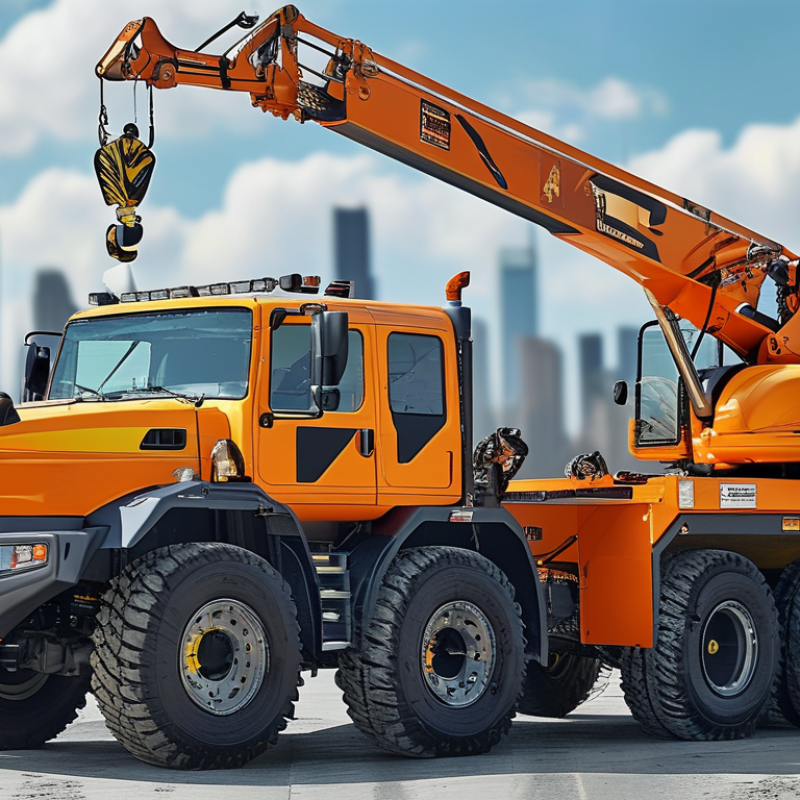
Pickup Truck Cranes: Definition, Structure, and Core Functions
Pickup truck cranes are compact lifting systems mounted on a vehicle’s chassis or cargo bed. They convert a working truck into a mobile loading and positioning platform. Unlike fixed cranes, they can travel between job sites without separate transport equipment. Their useful range depends on rated capacity, boom reach, mounting position, and vehicle stability.
A typical unit includes a mounting base, hydraulic power system, articulated or telescopic boom, winch, hook, control valves, and stabilizer legs. The base transfers lifting forces into the truck frame. Hydraulic cylinders control boom movement with measured precision. Stabilizers widen the support footprint. They matter greatly.
Core functions include loading materials, lifting tools, placing pipes, and positioning equipment in restricted areas. Operators must read the load chart before every lift. Capacity decreases as the boom extends farther from the truck. Ground conditions also affect stability. Uneven soil can make a correct-looking setup unsafe. Regular inspection should cover hoses, pins, hooks, welds, controls, and emergency stops. Local regulations may require certified operators, documented inspections, and specific safety distances.
In practical work, no single crane configuration fits every pickup truck. A short boom improves compactness but limits reach. A long boom increases access but may reduce lifting capacity. This compromise is easy to underestimate. Careful matching between crane weight, payload, axle capacity, and intended use produces more dependable performance.
Ten Major Pickup Truck Crane Types for Different Lifting Tasks
Pickup truck cranes serve different lifting tasks, from roadside repairs to compact construction work. The ten major types include fixed-boom, telescopic, knuckle-boom, hydraulic, electric-hydraulic, manual, underbody, rear-mounted, side-mounted, and fold-down service cranes. Each design offers a different balance of reach, lifting capacity, storage space, and vehicle stability.
A fixed-boom crane suits repeated lifts near the truck bed. Telescopic models reach farther across obstacles. Knuckle-boom cranes fold tightly and improve access in narrow areas. Hydraulic cranes handle heavier loads with smoother control. Electric-hydraulic units reduce engine idling during short jobs. Manual cranes remain simple for light equipment. Underbody cranes save deck space, while rear-mounted cranes support loading behind the vehicle. Side-mounted cranes can reach trenches or roadside positions. Fold-down service cranes fit maintenance vehicles with limited room.
The categories overlap, which is easy to overlook. A rear-mounted crane may also use hydraulic power. Selection should match the load chart, boom radius, mounting structure, payload, and ground conditions. A 300-kilogram load near the truck can become unsafe when extended several meters. Field checks should include stabilizer placement, tire condition, and visible damage. Even experienced operators can misjudge wind or uneven pavement.
Tips: Measure the heaviest real load, not the expected average. Check clearance above the boom. Keep a safety margin. Installation and operation should follow applicable local requirements.
How Pickup Truck Crane Designs Compare by Capacity and Reach
Pickup truck cranes differ sharply in capacity and reach, even when their frames look similar. A stiff boom crane often provides strong lifting power close to the truck bed. It suits generators, pumps, and compact construction materials. A telescopic crane reaches farther, but its lifting capacity usually falls as the boom extends. Knuckle boom designs fold neatly and offer useful positioning around obstacles. They can be practical in narrow work areas. Mini hydraulic cranes save space, though their lighter structure limits demanding lifts.
Buyers should study the load chart, not only the advertised maximum capacity. A crane rated for 1,000 kilograms at one metre may lift far less at three metres. Reach also depends on the mounting position, stabiliser width, boom angle, and truck payload. During equipment inspections, uneven ground often exposes weak planning. A short crane with firm stabilisers may outperform a longer crane in real conditions. That sounds counterintuitive.
Check the working radius beside the truck, behind the cab, and at full extension. Confirm whether the stated capacity includes hooks, slings, and other attachments. Hydraulic systems generally support repeated work, while electric units may suit lighter, occasional tasks. Installation quality matters as much as crane design. Poor frame reinforcement can reduce stability and accelerate wear. Some comparisons still treat maximum reach as the deciding factor. That approach needs rethinking. A balanced choice matches lifting distance, daily load weight, vehicle payload, and available operating space.
Top 10 Pickup Truck Crane Types for Global Buyers
How pickup truck crane designs compare by rated lifting capacity and maximum horizontal reach.
The figures represent typical market specifications for pickup-mounted cranes. Lifting capacity is shown near the boom base, while reach indicates the maximum horizontal working distance. Actual performance varies with boom position, vehicle payload, mounting configuration, and safety requirements.
Installation, Operation, Maintenance, and Safety Requirements
Top 10 Pickup Truck Crane Types for Global Buyers
Pickup truck cranes include telescopic, articulating, folding, electric, hydraulic, and service-body models. Each type demands careful installation and load planning. The ILO estimates 2.78 million work-related deaths annually, with many linked to unsafe work systems. Crane selection should never depend on lifting capacity alone.
Installation starts with the truck’s gross vehicle weight, axle ratings, and frame strength. Mounting plates must distribute force evenly. Stabilizers need firm, level ground. Keep it level. A qualified engineer should verify the center of gravity, hydraulic pressure, and rated load chart. ASME B30.22 provides guidance for articulating boom crane design, inspection, and operation. Local regulations may add stricter requirements.
Operators should inspect hooks, pins, hoses, outriggers, controls, and wire ropes before every shift. OSHA construction rules require documented monthly inspections and comprehensive annual inspections, where applicable. Small defects matter. Never lift beyond the charted radius, even during a short movement. Use taglines when rotation creates a strike hazard, and establish a clear exclusion zone. Maintenance records should show dates, defects, repairs, and test results. Field technicians often report that rushed inspections miss hydraulic leaks and loose fasteners. That weakness deserves attention. A checklist helps, but it cannot replace competent judgment, weather awareness, and direct communication between the operator and ground crew.