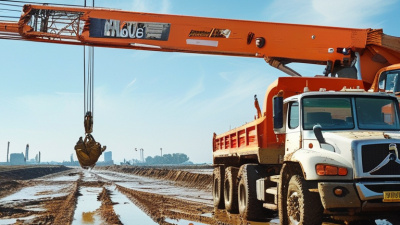
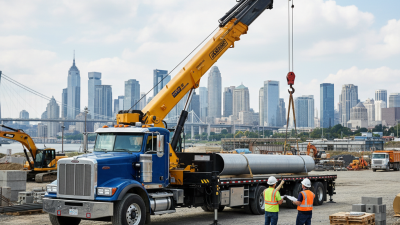
A heavy duty crane is not defined by lifting capacity alone. Its reach, mobility, setup time, and ground conditions matter just as much. On a busy construction site, a machine may need to lift a steel beam over a partial structure, then reposition without blocking deliveries. At a port, the same capacity can require a very different design. Details matter.
This guide explores the top types of heavy duty cranes, including crawler, all-terrain, truck-mounted, rough-terrain, and tower cranes. Each handles demanding work differently. Crawler cranes travel on tracks and can support substantial loads, but moving them between sites may take careful planning. All-terrain cranes combine highway travel with access across uneven ground. Truck-mounted models can be quicker to mobilize, while rough-terrain cranes suit compact, challenging job sites. Tower cranes provide height and reach for long-term building projects.
No type is best for every lift. That sounds simple. It isn’t. A sound choice begins with the load’s weight, lifting radius, boom configuration, site access, and ground-bearing capacity. Operators and project teams should consult manufacturer load charts and qualified lifting professionals rather than relying on headline capacity figures. Even a small change in radius can affect a crane’s rated capacity.
The comparisons ahead explain where each crane excels, where it may fall short, and what to check before selection. Some decisions remain imperfect. The goal is not to find a flawless machine, but a suitable one for the actual lift.
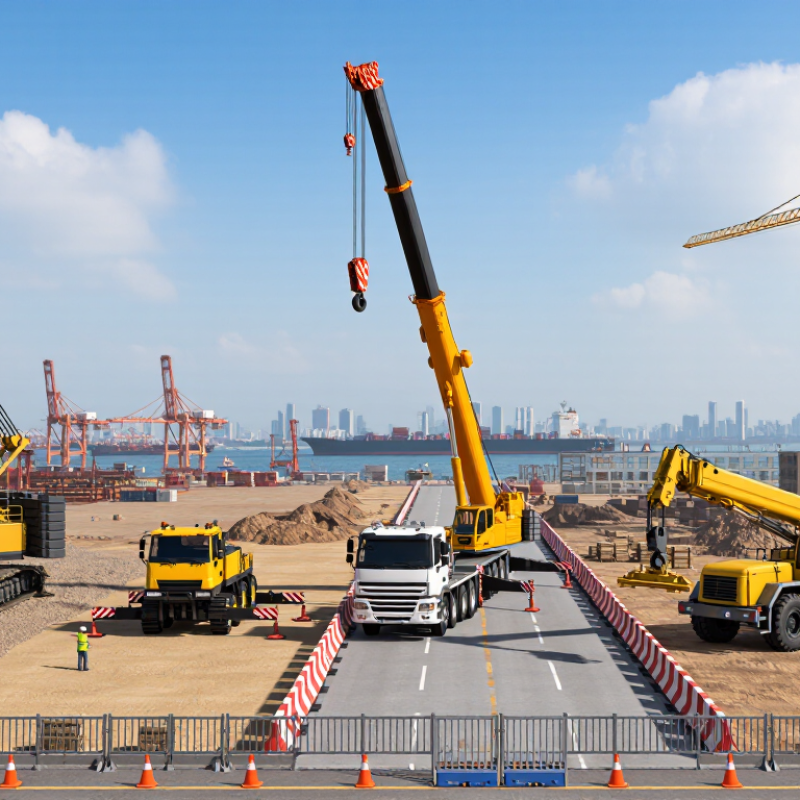
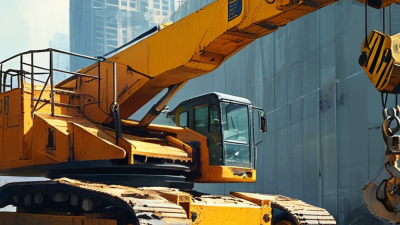
Crawler cranes are designed for heavy lifting where ground conditions challenge conventional wheeled equipment. Their wide tracks spread the machine’s weight across a larger area, helping it work on uneven or soft surfaces. On a muddy construction site, for example, tracked movement can make positioning more practical. It is not a cure for poor ground, though. The soil still needs assessment.
A key advantage is that many crawler cranes can move around a site while carrying a load, subject to the manufacturer’s operating limits. This can reduce repeated setup for nearby lifts. Still, their size and slow travel speed require careful planning. A common mistake is assuming that rough-terrain access means unrestricted access. Check slopes, underground services, clearances, and the crane’s load chart for the planned radius. Transport may also require the crane to be dismantled and reassembled, adding time and coordination.
Tips: Confirm ground bearing capacity before arrival. Use mats where site conditions call for them. Keep the lift plan specific to the load, radius, and setup. Wind matters, too. If conditions change, pause and reassess rather than relying on yesterday’s plan.
All-terrain cranes suit projects that shift between paved highways and uneven access roads. Their road-going chassis and multi-axle steering help crews cover long distances without transporting the entire crane on a low-bed trailer for every move. Many models also offer all-wheel drive and adjustable suspension. That combination is useful. But “all-terrain” does not mean every surface is safe.
At the jobsite, crews extend outriggers to stabilize the crane before lifting. They may place mats beneath them to spread the load on soft ground. A crane’s capacity changes with boom length, lifting radius, counterweight, and setup. Check the load chart for the exact configuration. Small setup differences matter. Mud, slopes, or buried utilities can complicate an otherwise straightforward lift.
Travel planning matters too. Axle limits, bridge capacity, road width, and turning space can affect the route. Some counterweights or attachments may need separate transport, depending on the crane and journey. Tire condition and weather deserve attention before a long drive. A familiar route can still present surprises. The practical trade-off is clear: these cranes offer mobility, but careful route surveys and lift planning remain essential.
Rough-terrain cranes are built for construction sites where paved access is limited. Large rubber tires, four-wheel drive, and coordinated steering help them travel across uneven ground. That matters. A crane can move between work areas without relying on a prepared road, though its reach and lifting capacity still depend on the setup.
Their telescopic booms can handle varied lifting tasks, from placing steel beams to moving equipment around a developing site. Outriggers provide stability when the crane is positioned for a lift. The ground beneath them needs careful attention: compacted gravel may seem solid, while a wet patch can conceal soft soil. Looks can mislead. Ground conditions, slope, load weight, and boom radius should all be checked against the crane’s load chart.
A qualified operator and site team should inspect the setup area before lifting. They may use suitable support mats to spread pressure, then confirm the crane is level and clear of overhead obstacles. Wind also affects safe boom operation, especially when handling broad loads such as panels. Plans sometimes need adjustment once the machine reaches the site; that is not failure, just a reminder that rough terrain rarely behaves exactly as expected.
| What Are the Top Types of Heavy Duty Cranes? – Rough-Terrain Cranes for Uneven Construction Sites | |||||
|---|---|---|---|---|---|
| Rough-Terrain Crane Type | Indicative Rated Capacity | Typical Boom Configuration | Terrain and Mobility | Common Applications | Key Planning Considerations |
| Compact / Light-Duty Rough-Terrain Crane | Approximately 20–50 tonnes | Telescopic boom, commonly around 20–35 m depending on configuration | Four-wheel drive and, on many models, four-wheel steering for maneuvering around confined, uneven sites | Small building projects, utility work, equipment placement, and material handling on developing sites | Check access width, turning space, boom reach, and ground conditions. Rated capacity changes with boom length, radius, and crane setup. |
| Medium-Duty Rough-Terrain Crane | Approximately 50–80 tonnes | Multi-section telescopic boom, commonly around 30–45 m; auxiliary jib availability varies | Designed for off-road travel around construction sites, typically with a compact, two-axle carrier | Commercial construction, precast placement, industrial maintenance, and lifting structural components | Confirm the load chart for the planned lift radius and boom configuration. Soft or sloped ground may require engineered support mats. |
| Heavy-Duty Rough-Terrain Crane | Approximately 80–150 tonnes or more | Long telescopic boom, often around 40–60 m; optional jib configurations depend on the crane | Suitable for demanding, unpaved work areas, but requires adequate space and appropriate ground support | Heavy industrial construction, large component installation, infrastructure work, and major equipment lifts | Review outrigger footprint, counterweight requirements, transport limits, ground-bearing pressure, and lift-plan requirements before mobilization. |
| Rough-Terrain Crane with Auxiliary Jib | Capacity depends on the crane and jib configuration; consult the applicable load chart | Telescopic main boom with an optional jib to increase reach or provide additional working height | Retains rough-site mobility; the jib is generally installed or configured for the lift rather than used for travel | Roof-level placement, work over obstacles, and lifts requiring extra height or reach | A jib can reduce lifting capacity. Verify permitted boom and jib angles, working radius, wind limits, and configuration-specific chart values. |
| Rough-Terrain Crane for Restricted-Space Sites | Selected by required load and reach; compact dimensions do not indicate a specific lifting capacity | Telescopic boom, with configuration chosen to suit limited setup areas and nearby obstructions | Four-wheel steering can help with maneuverability; turning and outrigger space still need to be checked | Urban construction zones, plant maintenance areas, and sites with narrow internal routes | Survey the route and setup area, including overhead clearance, underground services, outrigger deployment, and safe separation from edges. |
| Note: Capacity and boom-length figures are broad, indicative ranges rather than standardized classes. Actual performance depends on the specific crane, load-chart configuration, operating radius, ground conditions, wind, and applicable safety rules. Use the crane’s current load chart and a qualified lift plan for every lift. | |||||
Tower cranes suit high-rise projects because their height and working radius can serve many floors from a compact base. CTBUH’s 2024 Year in Review recorded 122 buildings of 200 meters or taller completed worldwide. That scale makes lift planning critical. Teams must match crane capacity to load weight, reach, and the changing height of the structure. They also need to plan tie-ins, climbing sequences, delivery routes, and clearances around neighboring buildings. Wind changes everything.
McKinsey Global Institute’s 2017 construction report estimated productivity growth at about 1% annually over two decades, compared with 2.8% across the global economy. Better coordination can help reduce avoidable waiting and rehandling, though a crane alone cannot fix poor sequencing. On site, a delayed concrete pour or blocked delivery lane can disrupt carefully timed lifts. Small errors compound. A practical review should test the crane layout against actual site access, planned floor cycles, and changing loads—not just the initial drawings. Even a sound plan needs revision as the building rises.
Floating cranes are heavy-duty cranes mounted on barges or purpose-built vessels, bringing lifting capacity directly to marine construction sites. Their value is clear when quayside access is limited or a component must move from a transport vessel to an offshore foundation. Unlike a fixed land crane, a floating crane moves with the water. Operators therefore account for wave height, wind, vessel motion, ballast, and lifting radius before approving a lift. A load chart is only useful when those conditions match its assumptions. That margin matters.
The Global Wind Energy Council’s Global Offshore Wind Report 2024 records 75.2 gigawatts of cumulative offshore wind capacity worldwide at the end of 2023. Large turbine components and foundations help explain why marine lifting capacity is increasingly important. In practice, crews may use tag lines to control a suspended section while ballast adjustments limit unwanted movement. They also coordinate the crane vessel, cargo ship, and installation team through clear lift plans and agreed communication signals. No lift is routine. I would be cautious about treating a crane’s headline capacity as the whole story; the safe working load changes with boom reach, sea conditions, and vessel stability. A small weather shift can delay an operation, even when the crane itself is ready.