China Best Truck Crane Manufacturers How to Choose?

Choosing among China’s best truck crane manufacturers requires more than comparing prices and catalog photographs. A reliable truck crane must match your lifting capacity, road conditions, work frequency, and maintenance resources. For example, a 12-ton crane used on urban construction sites faces different demands from a 50-ton model serving ports or remote infrastructure projects. The right choice begins with the job, not the brochure.

Experienced buyers usually examine manufacturing quality, hydraulic system performance, chassis integration, and operator safety features. They also request load charts, inspection records, welding standards, and clear warranty terms. A serious manufacturer should explain how its cranes perform in rain, dust, uneven terrain, and long working cycles. Factory visits, video inspections, and conversations with existing customers can reveal details that marketing materials omit. Small details matter.

However, there is no single “best” supplier for every project. A manufacturer with excellent export experience may still provide limited after-sales support in your region. Another company may offer a lower quotation, yet replacement parts could take weeks to arrive. This is where careful judgment matters. Ask difficult questions. Check the answers.

A practical evaluation should compare technical expertise, certifications, production capacity, customization ability, delivery reliability, and lifecycle cost. Independent testing and professional engineering advice can reduce avoidable risks. Buyers should also confirm local import requirements and operator training needs before signing a contract. This guide will examine how to assess Chinese manufacturers realistically, identify dependable suppliers, and avoid decisions based only on attractive prices. The goal is not the cheapest crane. It is dependable lifting performance over many working years.
China Best Truck Crane Manufacturers How to Choose?

What Is a Truck Crane and Why Does the Manufacturer Matter?

A truck crane is a mobile lifting machine mounted on a road-going truck chassis. It combines transport, hydraulic lifting, and load placement in one working unit. On a typical site, operators may drive between locations, extend outriggers on uneven ground, and position steel beams within a few centimeters.

The manufacturer matters because design quality affects stability, lifting accuracy, and service life. Experienced buyers inspect the boom structure, hydraulic cylinders, chassis integration, and emergency controls. A clear load chart is essential. It should show capacity changes with boom length, working radius, and outrigger position. Missing details create unnecessary risk.

Reliable manufacturers provide material records, factory testing, operator manuals, and traceable replacement parts. They should also explain maintenance intervals in practical terms, such as checking hydraulic oil after dusty shifts. Responsive technical support matters when a seal fails during a tight construction schedule. Small delays become expensive.

No manufacturer is perfect. I have seen buyers focus on purchase price and overlook transport limits, workshop access, or local service skills. That decision may look efficient at first. It often is not. Ask for inspection reports, warranty conditions, training options, and evidence from similar working environments. A careful comparison should include the complete operating cost, not only the invoice.
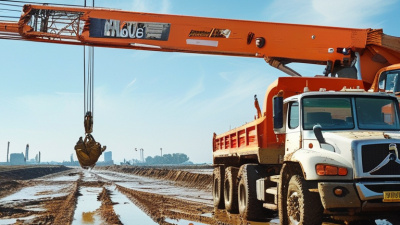
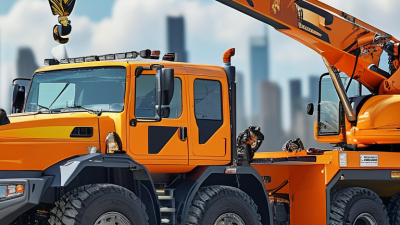
China Best Truck Crane Manufacturers: How to Choose?

What Is a Truck Crane and Why Does the Manufacturer Matter?

Truck cranes combine a mobile truck chassis with a hydraulic lifting system, allowing loads to be transported and lifted on different job sites. The chart shows representative capacity classes commonly available in the market and their typical maximum boom-length ranges. Actual performance depends on configuration, counterweight, operating radius, terrain, and load-chart limits.

When choosing a manufacturer, compare verified load charts, structural quality, hydraulic-system reliability, safety certification, spare-parts availability, operator support, warranty terms, and after-sales service—not only the advertised lifting capacity.

Which Truck Crane Types and Specifications Fit Your Project?

Choosing a truck crane starts with the site, not the catalog. The 2023 Global Construction Perspectives and Oxford Economics report projects global construction output to reach about USD 13.3 trillion by 2037. More compact, adaptable lifting equipment will remain valuable.

For urban roads and short setup times, a telescopic truck crane suits steel beams, panels, and rooftop materials. A knuckle-boom crane fits delivery work where reach and folding storage matter. Rough-terrain models perform better on uneven ground, but they usually need transport planning. Check the load chart at the real working radius. A crane rated for 20 tonnes may lift far less at 12 metres.

Measure the heaviest load, lifting height, radius, ground bearing pressure, and daily duty cycle. Then compare rated capacity, boom length, gross vehicle weight, axle loads, outrigger spread, and wind limits. ISO 4301-1 classifies crane duty by utilization and load spectrum, while ASME B30.5 provides mobile-crane safety guidance. These references help turn a sales figure into a defensible specification.

Do not ignore access width. A 3.2-metre outrigger spread may fail beside a narrow foundation. Ground conditions can also change after rain. The first lift plan is often incomplete. Recheck it with the operator, engineer, and transport team before purchase. A reliable manufacturer should provide traceable test records, clear load charts, spare-parts support, and training evidence—not only a polished brochure.

China Best Truck Crane Manufacturers How to Choose? - Which Truck Crane Types and Specifications Fit Your Project?

Truck Crane Type Typical Rated Capacity Typical Maximum Working Radius Typical Maximum Boom Height Typical Vehicle Class Best-Suited Projects Main Advantages Key Limitations Selection Priority
Light Telescopic Truck Crane 2–8 tonnes 4–12 m 8–16 m Light-duty truck or small rigid truck Urban maintenance, utility work, landscaping, small construction sites, equipment delivery Easy road access, lower operating cost, compact footprint, quick deployment Limited lifting capacity and reach; sensitive to excessive load at long radius Road width, parking space, payload, and required lifting radius
Medium Hydraulic Telescopic Truck Crane 8–25 tonnes 8–20 m 14–30 m Medium rigid truck, commonly 2–4 axles General construction, precast installation, HVAC placement, steel erection, material handling Good balance of capacity, reach, mobility, and setup speed Requires sufficient outrigger space and ground bearing capacity Load chart at the actual working radius, outrigger configuration, and site access
Heavy Telescopic Truck Crane 25–80 tonnes 12–30 m 20–45 m Heavy rigid truck, commonly 4–6 axles Large structural components, industrial installation, bridge work, power and infrastructure projects High lifting capacity with road-going mobility and relatively rapid relocation Higher transport cost, larger setup area, and greater ground pressure Total lifted load, radius under load, axle limits, route restrictions, and ground conditions
Knuckle Boom Truck Crane 1–20 tonnes 4–18 m 8–25 m, depending on configuration Light, medium, or heavy truck Cargo delivery, container handling, building materials, maintenance, and repetitive loading operations Compact folded profile, flexible positioning, and efficient loading and unloading Capacity decreases significantly as horizontal reach increases; folding geometry needs clearance Required reach, folded transport height, cargo-bed length, and duty cycle
Truck-Mounted Crawler or Rough-Terrain Configuration 10–50 tonnes 8–25 m 12–35 m Specialized off-road carrier or multi-purpose truck chassis Uneven construction sites, remote infrastructure, pipeline work, and locations with poor road surfaces Improved maneuverability or traction on difficult ground compared with standard road trucks Lower highway efficiency, specialized transport requirements, and more complex maintenance Terrain, slope, ground bearing capacity, travel mode, and local transport regulations
Long-Boom Telescopic Truck Crane 10–50 tonnes 15–35 m 30–60 m, often with optional extensions Heavy rigid truck or specialized multi-axle carrier High-rise construction, roof work, sign installation, tower maintenance, and work over obstacles Provides considerable vertical and horizontal reach without requiring the truck to be close to the load Lower capacity at maximum reach, greater wind sensitivity, and demanding setup requirements Required hook height, working radius, wind exposure, counterweight, and stability margins
Planning note: The figures above are typical preliminary planning ranges, not guaranteed ratings. Actual lifting capacity depends on the approved load chart, boom length, working radius, outrigger position, counterweight, chassis configuration, wind conditions, ground bearing capacity, and applicable local safety regulations. Always select the crane using the heaviest load, maximum radius, required hook height, and complete lift plan.

How to Evaluate China’s Truck Crane Manufacturers

Evaluating China’s truck crane manufacturers requires more than comparing catalog prices. Examine their production experience, engineering team, and record with similar lifting capacities. A reliable manufacturer should provide clear load charts, structural drawings, material specifications, and factory inspection records. Ask how often welding quality is checked. Look closely at boom sections, hydraulic cylinders, outriggers, and chassis mounting points.

Request evidence of testing, not only attractive photographs. Check whether the crane has passed rated-load, stability, braking, and emergency-stop tests. Confirm that documents match the regulations in your destination market. Independent inspection can reveal details missed during a sales call, such as uneven welds, oil leakage, or unclear serial numbers. Small details matter.

After-sales support deserves equal attention. Ask for spare-parts lists, response times, technician training, and warranty conditions in writing. Speak with several existing customers, preferably those operating in similar climates and road conditions. A manufacturer may promise fast delivery, yet production schedules can change when components arrive late. That risk should be discussed openly. Factory visits are useful, but a polished showroom proves little. I would also compare maintenance access by opening inspection covers and checking hose routing. Sometimes the cheapest crane appears efficient until a basic repair requires hours of disassembly. No option is perfect. The better choice is the manufacturer that explains weaknesses clearly, documents corrective actions, and accepts independent technical review.

What Quality, Safety, and Certification Standards Should You Check?

Choosing a truck crane manufacturer in China requires more than comparing lifting capacity and price. In field inspections, I start with the quality system. Ask for a current ISO 9001 certificate, its scope, issuing body, and audit validity. Then check steel traceability, welding procedures, paint thickness, and final assembly records. A polished brochure proves little. Production evidence matters more.

Safety documents should match the actual crane model. Request load charts, stability calculations, fatigue considerations, and test records for the boom, winch, hook, and outriggers. Confirm overload protection, boom angle indicators, emergency stops, hydraulic hose protection, and rated load limiters.

Standards may include applicable Chinese GB/T requirements, EN 13000, ASME B30.22, or destination-market rules. Do not accept a copied certificate. Check model numbers, revision dates, and test conditions.

For export orders, verify CE-related documentation only when relevant, and arrange independent inspection before shipment. A competent inspector should witness load testing and review non-destructive testing records for critical welds. I have seen small paperwork gaps delay installation. I have also trusted a certificate too quickly. That was a mistake. Factory visits help, but one visit cannot reveal every weakness. Ask for spare-parts support, operator manuals, training records, and a clear response process when field data exposes a design problem.

How to Compare Prices, Services, and After-Sales Support?

Choosing among China’s best truck crane manufacturers requires more than comparing the purchase quote. Request the same configuration from each supplier: lifting capacity, boom length, engine standard, outriggers, warranty, and spare parts. A cheaper crane may exclude essential safety devices or commissioning. That difference appears later as downtime.

Use independent data as a reference. The 2023 Global Construction Survey by KPMG identifies cost overruns and delays as continuing project risks. The report also stresses stronger risk control during procurement. Therefore, compare total ownership cost, not only the invoice. Ask for fuel consumption, maintenance intervals, operator training, shipping insurance, and expected parts availability.

“How quickly can you send a hydraulic seal to my region?”

After-sales service should be measurable. Request response-time commitments, remote diagnosis procedures, service engineer coverage, and a written warranty-exclusion list. The International Organization for Standardization’s ISO 9927 guidance supports regular crane inspections, so the supplier should provide inspection records and maintenance instructions.

Check references from users operating similar cranes in similar climates. Photos are not enough. A video call with a working customer is better.

I would not trust vague promises. A supplier may offer a low price, yet charge heavily for controllers, sensors, or specialist travel. In my experience, unclear documentation often creates avoidable delays.

A realistic comparison sheet should assign value to training, parts stock, technical support, and resale condition. Price still matters. It should not lead the decision.