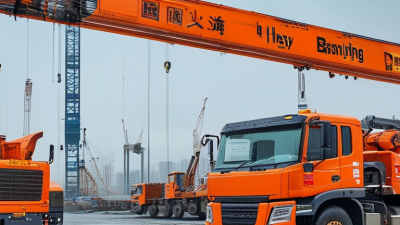
Choosing the right lifting equipment is a practical decision, not a simple capacity comparison. A 55 ton crane can lift up to 110,000 pounds under specific rated conditions. However, its actual capacity depends on boom length, working radius, counterweight, ground pressure, and lifting configuration.
Industry standards make this distinction clear. ASME B30.5 requires mobile crane users to follow rated capacity charts, inspection procedures, and safe operating practices. OSHA 29 CFR 1926 Subpart CC also emphasizes competent planning, stable ground, qualified operators, and accurate load information. These requirements matter on real sites. A steel beam may appear manageable near the crane, then become unsafe as the radius increases.
The American Rental Association’s 2024 forecast reported continued demand for construction equipment, reflecting ongoing investment in infrastructure and industrial projects. Meanwhile, the European Construction Equipment Committee regularly highlights equipment utilization, safety, and emissions as key purchasing considerations. These reports support a broader point: crane selection affects productivity, risk control, and operating cost.
A 55 ton crane offers a useful balance between lifting strength and site mobility. It can support bridge components, factory machinery, precast structures, and heavy rooftop units without automatically requiring a larger class of crane. That flexibility is valuable.
But capacity alone is not enough.
Experienced lift planners still verify the load weight, center of gravity, rigging angles, travel path, wind limits, and setup surface. The number is persuasive, but incomplete. In some projects, a smaller crane may be more efficient; in others, a 55 ton crane may lack the required reach. Careful planning turns rated capacity into dependable performance.
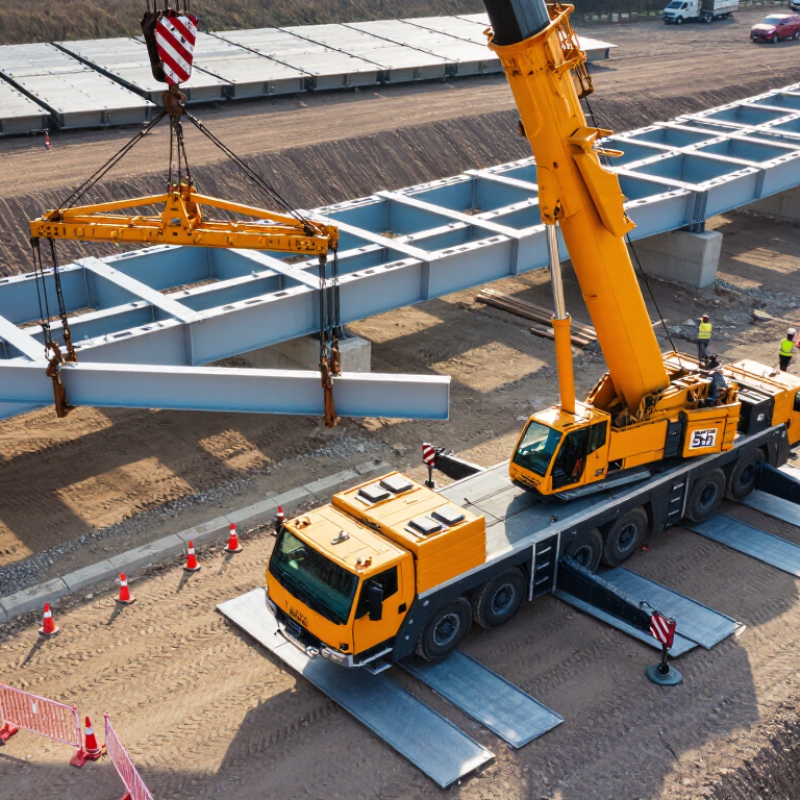
A 55-ton crane is rated to lift up to 55 short tons, or about 49.9 metric tonnes, under specific conditions. Its actual capacity changes with boom length, lifting radius, counterweight, and ground stability. The load chart matters more than the number painted on the machine. At a long radius, the same crane may safely lift only a fraction of its maximum rating.
Hydraulic pumps pressurize oil, moving cylinders that raise the boom and control telescoping sections. Steel wire rope, drums, and pulleys transfer force through the hoist system. Outriggers widen the crane’s support base and reduce tipping risk.
An operator reads the load moment indicator, checks wind conditions, and confirms the hook path before lifting. The U.S. Occupational Safety and Health Administration requires documented inspections and suitable ground conditions under its crane standard, 29 CFR 1926 Subpart CC.
The U.S. Bureau of Labor Statistics recorded 1,069 fatal work injuries in construction during 2022. That figure covers the whole sector, not cranes alone, but it shows why lifting plans cannot rely on experience alone. A 55-ton crane often suits bridge work, industrial installation, and heavy structural placement. Still, “55 tons” can mislead. Metric and short-ton ratings differ, and real sites rarely match test conditions perfectly. Fresh calculations are safer than confident guesses.
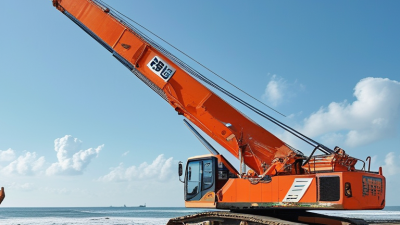
A 55-ton crane suits heavy-lifting tasks where weight, reach, and site access create serious demands. It is commonly used for precast concrete beams, steel frames, industrial vessels, bridge sections, and large rooftop equipment. These loads often exceed smaller crane limits, especially when the lifting radius increases.
Capacity is not a magic number. A 55-ton rating usually applies near the crane’s ideal position, not every working distance. At a construction site, I would check the load chart, boom length, radius, rigging weight, and ground conditions before approving the lift. Outriggers need firm, level support. Soft soil can change a safe plan quickly.
Some projects require precise placement rather than maximum capacity. A crane may lift a heavy transformer over a building wall, place a concrete tank beside an excavation, or move machinery through a narrow industrial yard. Wind matters. So does the height of nearby structures. Qualified operators and lift supervisors should inspect slings, shackles, and lifting points before work begins.
I have seen planning focus too heavily on the load’s weight. That is a mistake. The load’s shape, center of gravity, travel path, and visibility can create greater risks. A 55-ton crane is valuable when its rated capacity matches the real conditions, supported by an engineered lift plan and verified site measurements. Sometimes, a smaller crane is safer. Sometimes, 55 tons is still not enough.
A 55-ton crane improves lifting safety by providing stable capacity for demanding loads. Its rated capacity helps teams plan heavy lifts with clearer limits. However, capacity alone does not make a lift safe.
Experienced operators study the load chart before positioning the crane. They check load weight, boom length, working radius, wind, and ground conditions. Outriggers should rest on suitable mats or firm support. A small error in radius can greatly reduce lifting capacity. That detail deserves careful attention.
The crane also improves efficiency when the lift plan is accurate. It can place machinery, steel beams, or industrial components with fewer repositioning moves. Clear signals between the operator, rigger, and site supervisor reduce delays. Radios help, but direct visibility remains valuable. Always inspect slings, hooks, brakes, and hydraulic systems before work begins. Keep people outside the planned swing area.
In real projects, schedules create pressure. That pressure can encourage rushed decisions. A 55-ton crane may handle the load, yet the site may still be unsuitable. Uneven soil, overhead obstacles, or poor communication can create serious risks. Stop and reassess when conditions change. Experienced teams record weather, setup details, and inspection results. These records support accountability and improve future planning. Safety depends on disciplined preparation, not impressive lifting capacity alone.
Practical capacity, safety, and efficiency considerations for selecting a 55-ton-class mobile crane
| Data Dimension | Reference Data for a 55-Ton-Class Crane | Safety or Efficiency Benefit | Planning Consideration |
|---|---|---|---|
| Maximum Rated Capacity | 55 US short tons, approximately 49.9 metric tonnes | Provides substantial lifting capacity for structural steel, industrial equipment, precast components, tanks, and construction materials. | The maximum rating applies only at the specified configuration and minimum working radius. It is not the capacity available at every boom length or radius. |
| Load-Chart-Based Capacity | Capacity changes with boom length, working radius, counterweight, outrigger position, and lifting configuration. | Using the load chart prevents overloading and supports accurate lift planning. | Confirm the exact load-chart value for the planned radius, boom angle, attachments, and counterweight before lifting. |
| Working Radius | The horizontal distance from the crane’s center of rotation to the load’s center of gravity. | Keeping the load radius as short as practical generally preserves more available lifting capacity and improves control. | Measure the pick radius and placement radius, including any load movement during slewing. |
| Outrigger Configuration | Typical mobile-crane configurations include fully extended, intermediate, or retracted outriggers, depending on the equipment design. | Properly deployed outriggers increase stability and reduce the risk of tipping or excessive structural loading. | Use the load chart that matches the actual outrigger position. Never assume the fully extended rating applies to a partial setup. |
| Ground Bearing and Setup | Required ground capacity depends on crane weight, outrigger reactions, mat size, soil condition, and lift geometry. | Level, adequately supported ground improves stability and reduces settlement during the lift. | Inspect the ground and calculate or verify outrigger bearing pressure. Use suitable mats or cribbing where required. |
| Rated Capacity Indicator | Modern cranes commonly use electronic rated capacity or load-moment monitoring systems. | Real-time monitoring can warn the operator when the planned lift approaches operating limits. | The system supports, but does not replace, the manufacturer’s load chart, lift plan, operator judgment, and site controls. |
| Lift Planning | A lift plan should identify load weight, center of gravity, dimensions, rigging weight, radius, boom configuration, and landing location. | Advance planning reduces delays, unexpected load movement, and unsafe last-minute adjustments. | Include rigging, hooks, spreader beams, lifting beams, and other accessories in the total suspended load. |
| Rigging Inspection | Slings, shackles, hooks, lifting beams, and other accessories must have adequate working-load limits and be inspected before use. | Correct rigging reduces sling damage, load imbalance, dropped-load hazards, and uncontrolled rotation. | Check identification tags, rated capacity, inspection status, connection points, sling angles, and edge protection. |
| Load Control | Tag lines, controlled slewing, gradual hoisting, and clear communication are standard methods for managing suspended loads. | Improves load stability and helps prevent contact with workers, structures, vehicles, and utilities. | Keep personnel away from suspended loads and establish an exclusion zone around the operating area. |
| Wind Conditions | Permitted wind speed is determined by the crane manufacturer, load shape, boom configuration, and site conditions. | Monitoring wind reduces the risk of load swing, loss of control, and excessive side loading. | Use the manufacturer’s wind limits and lower the load or suspend operations when conditions exceed the approved limits. |
| Electrical Clearance | Required clearance from overhead power lines is governed by applicable local regulations and site procedures. | Maintaining clearance reduces the risk of electrical contact, arc flash, serious injury, and equipment damage. | Survey the work area before setup, identify overhead and underground utilities, and use a qualified spotter where required. |
| Operator Visibility and Communication | A dedicated signal person or radio communication may be needed when the operator cannot see the load or landing area. | Clear, consistent signals improve precision and reduce conflicting instructions. | Use one designated signal person, agree on signals before the lift, and stop the operation if communication is lost. |
| Mobility and Site Access | A mobile crane can be repositioned between lifts, but travel and setup requirements depend on the crane type and site layout. | Repositioning can reduce the need for multiple smaller lifting devices and shorten material-handling routes. | Verify travel paths, bridge limits, turning space, overhead clearance, setup area, and local road or site restrictions. |
| Efficiency Comparison | A 55-ton-class crane can provide greater capacity reserve than a smaller crane for the same planned lift, when the load chart supports it. | Additional capacity reserve may reduce repeated repositioning, tandem-lift requirements, and lifting interruptions. | Do not select equipment by rated tonnage alone; compare total lift geometry, transport requirements, setup time, and site constraints. |
| Inspection and Maintenance | Pre-use inspections should cover structural components, wire rope, hooks, brakes, controls, outriggers, tires or tracks, and safety systems. | Early detection of defects helps prevent mechanical failures and unplanned downtime. | Follow the applicable occupational-safety rules, inspection schedule, and manufacturer maintenance instructions. |
| Operator Qualification | The operator should be trained and qualified for the crane type, operating conditions, and applicable jurisdictional requirements. | Competent operation improves load control, setup accuracy, and response to changing site conditions. | Verify credentials, experience, site orientation, and familiarity with the specific crane configuration before work begins. |
Important: The 55-ton designation is a maximum rated-capacity class, not a guaranteed lifting capacity for every situation. Always use the current manufacturer’s load chart, approved operating manual, applicable regulations, a site-specific lift plan, and qualified lifting personnel.
A 55-ton crane offers useful power for structural steel, machinery, and large construction components. Its rated capacity is only one part of safe performance. The working radius, boom length, lifting height, and attachment weight can reduce available capacity quickly. A 10-ton load may be manageable near the crane, but difficult at full reach. Measure twice.
Ground conditions can decide whether the lift remains stable. Soft soil, hidden voids, or uneven surfaces may cause outrigger settlement. Properly sized mats or steel plates help distribute pressure. Wind also changes performance, especially with wide panels or long beams. Gusts can pull a suspended load sideways and increase swing. Rain may hide weak ground and reduce visibility, so weather checks must continue during the lift.
Operator experience, maintenance, and communication affect every movement. A trained operator should follow the load chart, inspect hydraulic systems, and confirm signals before lifting. Small leaks matter. A clear lift plan should identify exclusion zones, travel paths, load weight, and emergency actions. One often-overlooked factor is changing radius: moving the boom or load can alter capacity within seconds. That sounds obvious, yet rushed teams sometimes miss it. Recording actual site conditions after each lift can reveal planning errors and improve future decisions.
Selecting the right 55-ton crane starts with the actual lift, not the crane’s advertised capacity. A 55-ton rating applies under specific conditions, including boom length, working radius, counterweight, and ground stability. Measure the heaviest load, lifting points, travel path, and final placement area. Then compare these details with the manufacturer’s load chart. A load weighing 40 tons may exceed capacity at a long radius.
Site conditions matter greatly. Inspect soil strength, slopes, overhead obstructions, access roads, and nearby structures before scheduling equipment. Outriggers need firm, level support, often with engineered mats or suitable ground protection.
Check the required boom height and radius together. Increasing one can sharply reduce available lifting capacity. Small errors here can create serious safety risks.
Ask the rental provider for recent inspection records, maintenance history, operator qualifications, and complete configuration details. Confirm whether the crane can arrive, set up, and leave without unsafe maneuvering. Weather limits also deserve attention, especially wind affecting large panels or suspended loads. My field experience suggests that early measurements prevent costly changes later. Still, planning is never perfect. A delayed delivery, soft ground, or altered load position can change the lift plan. Keep a qualified lift supervisor involved, and revise the plan when conditions differ from the original assessment. Safety margins should remain visible, not assumed.