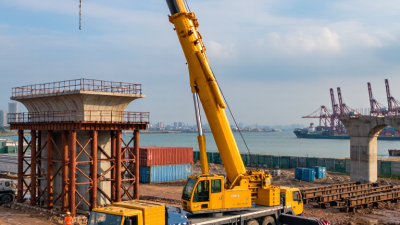
Top 10 Types of Telescopic Truck Cranes to Buy

Choosing among the top 10 types of telescopic truck crane starts with the worksite, not the brochure. A compact two-axle model may suit tight urban streets, while a heavier multi-axle crane can offer greater lifting capacity and reach. Neither is automatically the better choice. The right fit depends on the load, lifting radius, ground conditions, access, and how often the crane must travel between jobs.

A verified industry expert’s perspective can make this comparison more useful. Insert a sourced quotation here from [expert’s name] about matching crane capacity and configuration to real job requirements; no source was provided to verify an expert or quotation. That check matters. A crane’s headline capacity does not tell the whole story. Buyers should review the load chart at the intended radius, the outrigger footprint, boom length, transport dimensions, and available service support. A specification sheet can look reassuring. The site may disagree.

This guide compares ten common telescopic truck crane types and explains the practical trade-offs behind each. It highlights where compact designs, higher-capacity units, and specialized configurations may make sense. Details vary by manufacturer and model, so confirm every specification against the current documentation. One overlooked measurement can change the decision. The aim is a clearer shortlist, not a universal winner. A careful comparison may take longer, but it can prevent an expensive mismatch between the crane and the job.
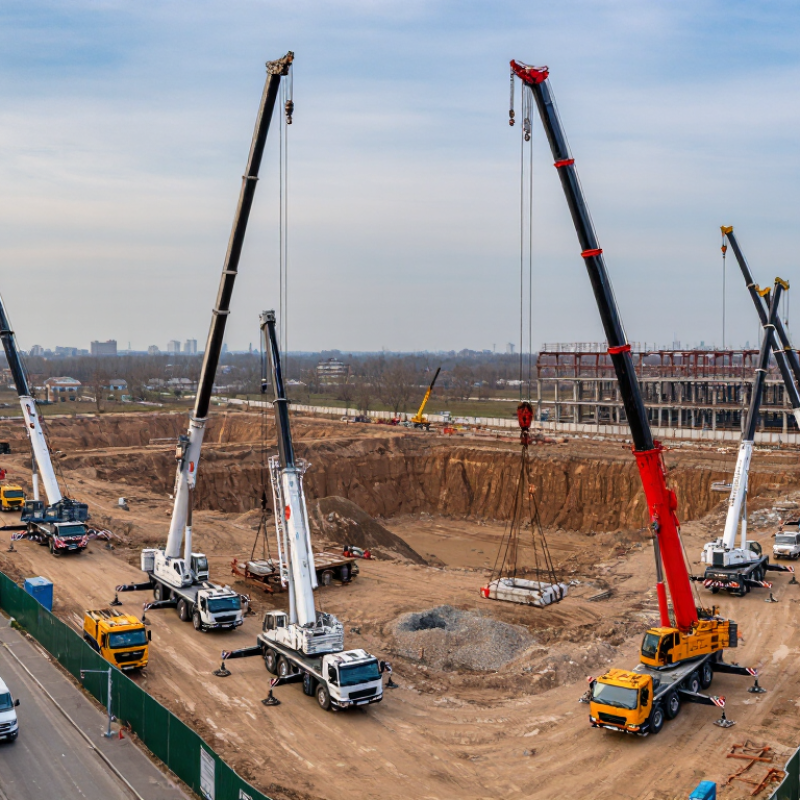
Top 10 Types of Telescopic Truck Cranes to Buy

Classify 10 Telescopic Truck Crane Types by Carrier, Boom, and 360° Slew

Telescopic truck cranes are easier to compare when classified by carrier, boom, and slewing range. These categories overlap: one machine may combine a heavy-duty carrier, a telescopic boom, and full rotation. Check the load chart and setup requirements, not just the headline lifting capacity.

Carrier types include light-truck, medium-duty, and heavy-duty chassis, plus compact urban and all-wheel-drive site carriers. Light trucks suit smaller loads and tight streets; heavy chassis typically offer more lifting capacity but need room for setup. Compact carriers fit restricted access. All-wheel drive can help on rough ground, though it does not replace suitable ground preparation. That distinction is easy to miss.

Boom configurations include a standard telescopic boom, a boom with a fixed jib, one with an offset fly jib, and one with a luffing jib. Jibs can extend reach or improve positioning, but reduce capacity at particular radii. Slewing creates two further types: full 360-degree rotation and restricted-slew configurations. Full rotation helps when loads must move around the vehicle; restricted slew can suit confined work zones. Confirm actual rotation limits and clearance on site. Small details matter. A short test lift can reveal setup problems before routine work begins.
Compare Truck-Mounted and All-Terrain Cranes Using EN 13000 Load Charts

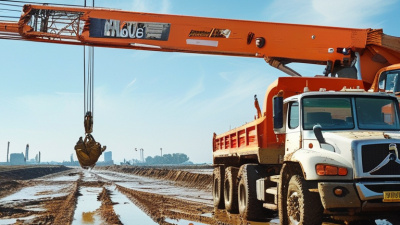
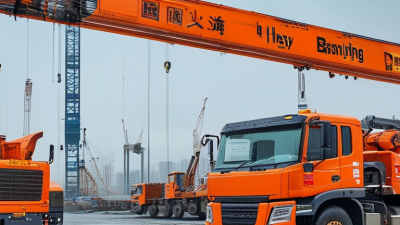
Telescopic truck cranes come in several configurations, but truck-mounted and all-terrain models are common choices for mobile lifting. A truck-mounted crane travels on a road-going carrier and can suit frequent moves between prepared sites. An all-terrain crane combines road mobility with a chassis built for uneven access. Neither type is automatically the better choice.

Compare the exact EN 13000 load charts for the lift, not just the headline capacity. Check boom length, extension, working radius, outrigger spread, lifting sector, and counterweight configuration. Capacity can change sharply as the radius increases.

Small details matter.

EN 13000 sets requirements for mobile cranes; it does not make different cranes’ capacities interchangeable. Confirm the chart matches the crane’s actual setup, including hook block and reeving. Then assess ground support and wind limits against the lift plan.

A chart may look straightforward in an office, yet be easy to misread beside a crowded site. That is worth checking twice.

Distinguish Rough-Terrain, City, and Pick-and-Carry Cranes by Jobsite Access

Jobsite access often matters more than headline lifting capacity. A crane that reaches the load but cannot reach the setup point may be the wrong fit. Rough-terrain telescopic cranes are built for uneven, unpaved ground, such as a muddy construction pad or a graded hillside. Their tires and four-wheel-drive options can help them move across rough surfaces. Still, check ground bearing conditions, slopes, and the crane’s load chart before choosing one. Rough ground is not automatically safe ground.

Urban jobs call for a different kind of access. Compact city cranes can fit through tighter streets and work in smaller spaces, but their outriggers still need room to deploy. Measure gate widths, turning space, overhead clearance, and the full outrigger footprint—not just the machine’s parked width. Small detail. Big consequence. A narrow entry can make a capable crane unusable.

Pick-and-carry cranes suit short moves around a controlled site, where carrying a load can save repeated setup time. Their limits depend on load, travel surface, and the maker’s operating instructions; never assume a suspended load can be carried on every model. Buyers sometimes focus too much on reach. I would compare access routes and ground conditions first, then match capacity to the heaviest planned lift. It is not always obvious on paper.

Top 10 Types of Telescopic Truck Cranes to Buy - Distinguish Rough-Terrain, City, and Pick-and-Carry Cranes by Jobsite Access

Type Typical carrier and access Best suited jobs Buying checks and limitations
1. Standard truck-mounted hydraulic crane Telescopic boom mounted on a road-going commercial truck; generally travels between paved roads and prepared work areas. General construction, equipment placement, and lifting at sites with reasonable road access and room to deploy stabilizers. Check the load chart for the required boom length and working radius, stabilizer spread, road-weight limits, and setup space.
2. Boom truck crane A truck chassis fitted with a telescopic crane, commonly configured for road travel and quick deployment at accessible locations. Roofing materials, HVAC units, building supplies, and routine lifts where the crane can set up close to the load. Compare the crane load chart with the truck’s payload and axle limits. Confirm that the stabilizers can be fully deployed at the intended sites.
3. Compact city truck crane A smaller road-going crane designed to navigate tighter streets, restricted entrances, or confined urban work areas. Urban maintenance, renovation, and construction sites with limited access or restricted staging space. Check overall width, turning clearance, vehicle height, and stabilizer footprint. Compact dimensions do not guarantee access to every site.
4. Taxi-crane configuration A road-mobile crane selected for frequent travel between short-duration jobs; “taxi crane” describes a use configuration rather than a single chassis design. Service work and multiple small lifts across different sites, where fast travel and setup are important. Assess travel requirements, setup time, required counterweight or attachments, and whether the crane can meet the load chart in the planned configuration.
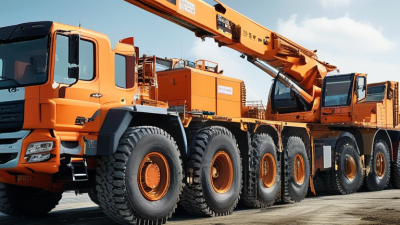
5. Heavy-duty multi-axle truck crane A larger road-going crane carrier with multiple axles to support heavier crane equipment and distribute vehicle loads. Large construction lifts and projects requiring greater lifting capacity or longer reach than a compact truck crane can provide. Review route restrictions, permits, bridge limits, axle loads, counterweight transport, and the ground-bearing requirements at the lifting position.
6. All-terrain crane A multi-axle mobile crane designed for road travel and travel over suitable rough or uneven ground, subject to operating conditions and manufacturer guidance. Projects that require road mobility between sites and access over mixed surfaces within a prepared work area. Check travel and outrigger requirements, ground conditions, route access, and the load chart for the exact crane configuration.
7. Rough-terrain crane A compact, usually two-axle crane with large tires and a chassis intended for off-road jobsite travel; road travel is generally limited compared with road-going truck cranes. Construction sites with uneven, unpaved, or confined terrain where a crane must maneuver within the site. Confirm terrain suitability, permitted travel conditions, stabilizer setup, ground support, and how the crane will be transported to the jobsite.
8. Pick-and-carry telescopic crane A mobile crane designed to lift and carry a load over short distances, commonly within a worksite; some models operate without outriggers, according to their specific design and load chart. Moving loads around industrial facilities, yards, or construction areas where repeated repositioning is needed. Verify the permitted pick-and-carry load chart, travel speed, route gradient, surface condition, and load-security requirements. Do not assume it can travel with every load.
9. Carry-deck crane A compact industrial mobile crane with a telescopic boom and a deck for carrying materials around a work area. Indoor or plant maintenance and tight industrial sites where loads need to be lifted and moved locally. Check doorway and aisle clearance, floor capacity, boom reach, and the crane’s carrying limits. A carry deck is not a substitute for a road-going truck crane.
10. Truck-mounted telescopic loader crane A telescopic loading crane fitted to a truck, often used to load or unload cargo from the vehicle itself. Deliveries of building materials, machinery, and other cargo where one vehicle must transport and handle the load. Compare the crane’s load chart at the required outreach with the truck’s payload, stabilizer setup, and cargo-bed arrangement. Reach can substantially affect rated capacity.

Note: These buying categories can overlap, and terminology varies by market. Always verify the manufacturer’s load chart, operating configuration, site conditions, and local transport requirements before selecting a crane.

Read Capacity Charts: How Radius, Boom Length, and Outrigger Span Affect Loads

Top 10 Types of Telescopic Truck Cranes to Buy

A crane’s capacity chart is more than a list of lifting limits. It matches a specific setup to a safe working load. Check the chart for the exact crane configuration, including boom length, outrigger position, and working radius. Radius is measured from the crane’s center of rotation to the load’s vertical line. As radius grows, rated capacity usually falls. A load that looks close can still sit several feet farther out once the boom deflects. Small changes matter.

Tips: Measure the radius before lifting, not by eye. Confirm whether the chart assumes fully extended outriggers or a reduced-span setup. Never transfer a rating between configurations. Account for the hook block, rigging, and other deductions listed in the crane’s manual.

Boom length and angle also shape capacity. Extending the boom can increase reach, but it may reduce the allowable load. Outrigger span matters because a wider, properly supported stance can improve stability; the chart must still match the actual extension. Check that the crane is level and that each outrigger rests on suitable support. If the planned lift falls between chart values, use the more conservative rating or ask a qualified lift planner. It is tempting to rely on a familiar setup, but small site differences can make that assumption wrong.

Check Purchase Compliance with ASME B30.5 and ISO 4305 Stability Criteria

When comparing telescopic truck cranes, treat ASME B30.5 and ISO 4305 as practical purchase checks, not just certificate names. Confirm which editions and requirements apply to the crane’s intended use and location. Ask for the operator’s manual, inspection records, load charts, and documented stability information. Check that the load chart matches the exact boom, counterweight, outrigger, and tire configuration being offered. A mismatch can make a capable crane look suitable on paper when it is not.

Small details matter. ISO 4305 provides a method for determining mobile-crane stability, so request supporting test or calculation records for the model and configuration. Compare rated capacities at realistic working radii, not only the maximum headline capacity.

Inspect outrigger beams, pads, hydraulic lines, boom sections, and locking points for wear or damage. Verify that the crane can be leveled within the limits stated by its manufacturer, and consider the ground conditions at your work sites.

Paperwork is not the whole story. A tidy file may still leave questions; have a qualified crane professional review unclear records before purchase.