How to Choose a National Truck Crane for Your Project?

Choosing a national truck crane is not simply a matter of selecting the largest lifting capacity. The right machine must match your site, load, travel route, and working schedule. A 25-ton crane may handle steel beams easily, yet struggle on soft ground or narrow access roads. Small details matter.

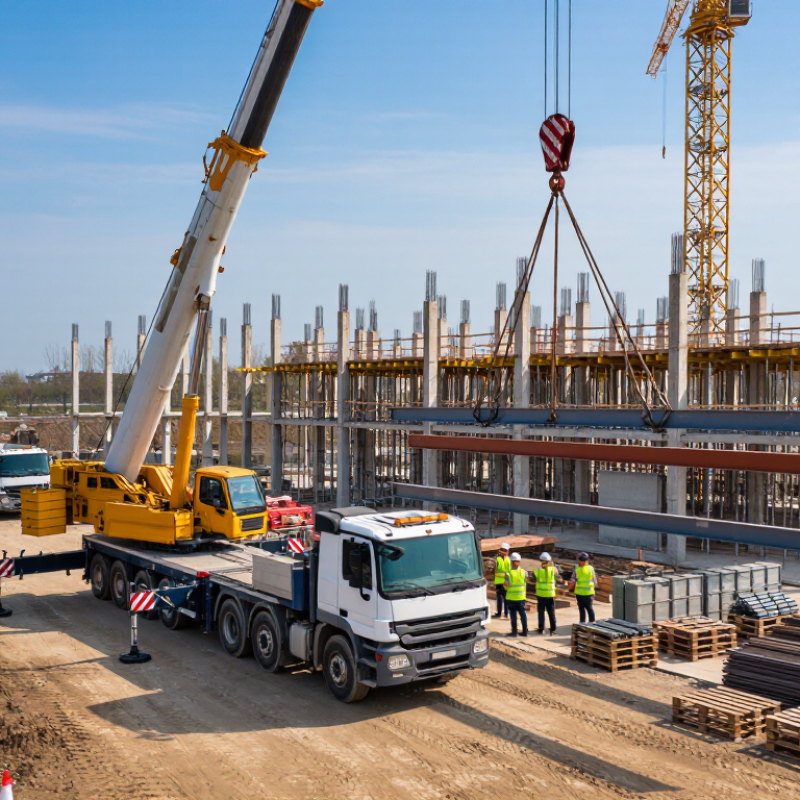
Begin with the load chart, not the brochure headline. Confirm the heaviest load, lifting radius, boom length, and required hook height. Then examine outrigger spread, counterweight needs, axle limits, and overall transport dimensions. On a crowded construction site, an extra meter of tail swing can affect nearby structures and pedestrian routes. Ground conditions also deserve careful attention. Gravel, wet soil, and underground voids can change setup requirements quickly.

Reliable decisions come from verified information. Request manufacturer specifications, inspection records, maintenance history, and operator guidance before committing. An experienced lifting engineer can compare these details with your project plan and local requirements. Independent checks are valuable, especially when the crane will work near power lines or uneven terrain. Never rely on capacity alone.

No checklist is perfect. Project conditions change. A delivery delay, blocked gate, or heavier-than-expected attachment can expose weak planning. That is why a responsible choice includes contingency space, clear communication, and a realistic operating method. Compare several national truck crane options, question unclear figures, and document every assumption. The best crane is not always the newest or strongest. It is the one that performs safely, efficiently, and predictably under your actual site conditions.

How to Choose a National Truck Crane for Your Project?

Define the Project’s Lifting Requirements and Work Conditions

How to Choose a National Truck Crane for Your Project?

Define the Project’s Lifting Requirements and Work Conditions

Choosing a national truck crane starts with the actual lift, not the advertised capacity. Record the heaviest load, its dimensions, and the lifting radius. A 12-ton load may exceed the crane’s safe limit at 18 meters. Check the manufacturer’s load chart for every planned radius and boom length. Include rigging, hooks, spreader beams, and other accessories in the total weight. Their combined mass is easy to overlook.

Study the worksite carefully. Measure access roads, overhead clearance, ground strength, and available setup space. A crane can reach the load but still fail to position safely. Soft soil may require engineered mats or ground reinforcement. Wind, rain, poor lighting, and nearby structures also affect stability and visibility. My first estimate was too optimistic once, because I measured the load area but not the travel route. That mistake changed the equipment choice.

Tips: Create a lift plan with measured distances and verified weights. Ask a qualified lifting engineer to review unusual loads or restricted sites. Confirm outrigger positions before delivery. Leave clearance around power lines and buildings. Recheck weather limits before each lift. Small details matter. A practical site survey often reveals limits that a brochure cannot show.

Compare National Truck Crane Types, Capacities, and Configurations

Choosing a national truck crane starts with the load, not the advertised maximum capacity. Telescopic-boom cranes suit highway work and long, controlled lifts. Folding-boom cranes fit tighter sites and offer better reach around obstacles. A truck-mounted crane with a fixed boom can provide a simpler setup, but it may sacrifice versatility. Capacity changes sharply with boom length, working radius, counterweight, and outrigger position. A 10-ton lift near the truck is not the same as a 10-ton lift at full reach. OSHA 29 CFR 1926.1417 requires operators to follow the crane’s rated capacity chart. Ignore that chart, and the project plan is already weak.

Configuration matters on real sites. Check axle limits, road access, ground bearing pressure, cab clearance, and setup width. Full outriggers may need more than 6 meters of clear space. Soft soil can turn a suitable crane into an unstable machine. The U.S. Bureau of Labor Statistics reported 1,075 fatal construction work injuries in 2023, with lifting equipment remaining a serious planning concern. That figure is not a crane-only statistic, but it deserves attention. A common mistake is selecting capacity first and access second. I have seen neat spreadsheets fail beside a narrow gate.

Tips: Build a lift chart for the heaviest and farthest pick. Confirm radius with a tape measure. Request recent inspection records, load charts, and operator qualifications. Price the crane with mats, rigging, permits, and setup time included. The cheapest configuration can be the most expensive mistake.

Evaluate Site Access, Ground Conditions, and Crane Mobility

Choosing a national truck crane starts with the site, not the lifting chart. Walk the full route first. Measure gate widths, turning radii, overhead clearances, bridge limits, and reversing space. A crane may reach the load yet fail to enter the work zone. HSE recorded 138 worker fatalities in Great Britain during 2023/24, although its data does not isolate crane incidents. That limitation matters. General safety figures cannot replace a task-specific assessment.

Ground conditions deserve harder questions. Is the surface compacted, drained, and stable below the visible layer? Asphalt can hide weak fill. Rain can quickly reduce bearing capacity. The CPA Plant Safety Group’s Ground Conditions for Construction Plant guidance recommends checking soil strength, underground voids, slopes, and outrigger loading. Ask for a documented ground assessment, not a quick visual opinion. Small details matter.

Mobility also affects productivity. Select a truck crane that can travel legally and safely between setup points, with suitable axle loads and steering clearance. Confirm whether outriggers can deploy fully or require engineered mats. OSHA 1926.1402 requires ground conditions to support the equipment and its loads, including levelness, drainage, and compaction. Treat that as a baseline, not the complete plan. I would record weather limits, route changes, and nearby utilities before arrival. Plans can be wrong. Recheck them.

How to Choose a National Truck Crane for Your Project? — Evaluate Site Access, Ground Conditions, and Crane Mobility
Evaluation Dimension Key Site or Project Data Typical Planning Range or Threshold Recommended Crane Configuration Risk Level Required Verification
Maximum Load Heaviest item to be lifted, including rigging, hooks, spreader beams, and lifting accessories. Calculate the total suspended load, then select a crane whose load chart capacity exceeds that load at the required working radius. Choose capacity from the load chart at the actual boom length, lift radius, counterweight condition, and outrigger setup—not from the crane's maximum rated capacity alone. High Confirm the manufacturer's load chart and maintain an appropriate operating margin under the applicable local lifting regulations.
Working Radius Horizontal distance from the crane's center of rotation to the load placement point. Measure the maximum radius for pickup, slewing, and final placement. Capacity generally decreases as radius increases. Use a longer boom only when the load chart supports the required radius. Consider repositioning the truck crane if the lift exceeds practical chart capacity. High Prepare a lift plan showing pickup radius, placement radius, boom angle, boom length, and rated capacity at each critical position.
Road Access Width Clear width of gates, roads, bridges, and temporary access routes. Provide clearance beyond the vehicle's actual width for mirrors, turning movement, uneven edges, and spotter visibility. Measure the narrowest point. Use a compact truck crane for restricted entrances. Remove or relocate obstructions where possible before mobilization. Medium Complete a route survey using measured clear widths, overhead restrictions, turning points, and bridge limitations.
Overhead Clearance Power lines, bridges, pipe racks, tree branches, signs, and building projections along the travel and setup route. Measure the lowest obstruction and compare it with the crane's transport height, raised boom envelope, and required working height. Select a configuration with a suitable transport height and plan the boom path to avoid obstructions during setup and operation. High Identify and control overhead electrical hazards in accordance with local regulations. Treat lines as energized unless the utility confirms otherwise.
Turning Radius Available space for entering, reversing, aligning, and leaving the site. Verify the vehicle's swept path rather than checking only the static vehicle length and width. Use a shorter wheelbase or more compact configuration for tight urban sites. Use a trained spotter where visibility is limited. Medium Use a vehicle swept-path drawing or a physical route trial for narrow access roads, switchbacks, and confined yards.
Travel Distance on Site Distance between the site entrance, setup area, loading point, and placement point. Short travel distances reduce relocation time, but the crane should not travel with a suspended load unless specifically permitted by its operating instructions and regulations. Use the truck crane's road mobility for multiple setup locations, while planning separate lifts and secure travel between positions. Medium Confirm whether the site permits travel with the boom stowed, partially extended, or any load attached.
Ground Bearing Capacity Allowable soil pressure, fill quality, slab strength, underground voids, and buried utilities at each outrigger position. Ground capacity must be greater than the maximum calculated outrigger reaction divided by the effective support area, with the required safety factor. Use engineered outrigger mats, cribbing, or temporary ground improvement where native soil or fill is not adequate. Very High Obtain geotechnical or structural verification for uncertain soil, suspended slabs, underground structures, trenches, and recently backfilled areas.
Outrigger Setup Area Available length and width for fully or partially extended outriggers, mats, barriers, and operator access. Allow the full clearance required by the crane's operating manual and maintain stable, level support at every outrigger. Select a crane with the outrigger configuration that fits the site while retaining sufficient capacity at the planned working radius. High Check the load chart for full, intermediate, and retracted outrigger positions. Do not assume reduced outrigger extension has the same capacity.
Ground Slope Longitudinal and cross slope at the travel route and final setup location. Set up on a firm, level surface within the limits specified in the operating manual. Do not level the crane by relying only on outrigger extension. Grade or prepare the setup pad before arrival. Use engineered solutions for sloping ground rather than improvised blocking. High Measure the slope and verify the crane's leveling requirements, outrigger stroke, and allowable setup conditions.
Surface Condition Asphalt, concrete, compacted soil, gravel, mud, loose fill, ice, standing water, or uneven ground. Surface must remain stable under concentrated outrigger loads and must not shear, settle, or allow mat movement. Use properly sized mats or steel plates on weak, wet, or uneven surfaces. Avoid placing outriggers near unsupported edges. High Inspect the surface before setup and again after loading. Monitor for settlement, cracking, sliding, or mat displacement.
Edge and Excavation Setback Distance from outriggers and tires to trenches, pits, retaining walls, embankments, and unsupported slab edges. Maintain a setback based on soil type, excavation depth, edge stability, and the engineered temporary works plan. Relocate the crane, shore the excavation, or design a load-distribution platform before lifting near an edge. Very High Have a competent person or engineer confirm the safe setback. Never rely on visual judgment alone near an excavation.
Transport Weight and Legal Limits Vehicle gross weight, axle loads, bridge ratings, road restrictions, and permit requirements. Remain within the legal gross vehicle and axle limits for the planned route, including fuel, tools, counterweights, and accessories. Use a lighter configuration or transport removable equipment separately when route restrictions prevent direct mobilization. Medium Check route-specific weight limits, bridge ratings, road permits, escort requirements, and local travel restrictions.
Boom Length and Working Height Required hook height, obstruction clearance, boom angle, and placement geometry. Required height must include the load height, rigging length, hook block dimensions, and a safe clearance from obstructions. Choose boom length based on the complete lift geometry. A longer boom may reduce capacity and increase wind sensitivity. Medium Check the load chart, boom deflection allowance, two-block prevention system, and required clearance throughout the lift.
Wind Exposure Forecast wind speed, sail area of the load, boom length, and exposure to buildings or open terrain. Use the crane and load limits specified in the operating manual. Large panels, tanks, signs, and sheets can become unstable in relatively low winds. Postpone the lift, reduce the load's exposed area, or use additional control measures when wind exceeds the approved limits. High Review the weather forecast and site anemometer readings. Establish a stop-work wind threshold before lifting begins.
Setup and Relocation Frequency Number of lifting positions required during the project and distance between positions. Frequent relocation increases setup time, traffic exposure, and the likelihood of ground-condition changes. Use a mobile truck crane when multiple locations can be served efficiently, but fully stow the boom and secure equipment before moving. Medium Include relocation, re-leveling, re-matting, inspection, and communication time in the project schedule.
Traffic and Pedestrian Control Interaction with public roads, workers, pedestrians, delivery vehicles, and emergency access routes. Establish an exclusion zone around the crane, load path, counterweight swing area, and outrigger footprint. Choose a setup position that minimizes road closures and blind spots. Use barriers, signs, spotters, and a traffic-control plan. High Coordinate permits, road closures, pedestrian diversions, signaling methods, and emergency access before mobilization.
Final Selection Rule Combined result of load chart capacity, access, ground support, working radius, mobility, and legal requirements. The crane is suitable only when every critical condition is satisfied at the most demanding lift position. Select the smallest crane that safely meets the complete lift plan, or upgrade the crane and site preparation when any requirement cannot be verified. Very High Have a qualified lift planner review the final lift plan, crane configuration, site survey, ground verification, permits, and operator requirements.
Planning note: The ranges and criteria above are general planning guidance, not a substitute for the crane manufacturer's current load charts, operating manual, site-specific engineering, legal requirements, or an approved lift plan. Actual capacity depends on configuration, radius, boom length, counterweight, outrigger position, ground support, wind, and other operating conditions.

Check Safety Systems, Certifications, Maintenance, and Operator Support

Choosing a national truck crane requires more than comparing lifting capacity and purchase price. Begin with its safety systems. Check overload protection, emergency stops, boom angle indicators, stabilizer sensors, and operator visibility. Test alarms in realistic conditions, not only during a showroom demonstration. A clear load chart should remain readable from the cab.

Certifications must match your project location and lifting requirements. Request current inspection records, conformity documents, and evidence of qualified testing. Do not accept vague statements such as “fully certified.” Verify each document with the relevant authority or an independent inspector. Experienced operators often notice details that paperwork misses, such as unstable ground response or delayed hydraulic movement.

Maintenance support can determine whether the crane earns money or causes delays. Ask about service intervals, replacement parts, mobile technicians, and response times outside normal hours. Review maintenance logs carefully. Look for repeated hydraulic leaks, worn tires, or unexplained downtime. Operator support also matters. Practical training should cover setup, wind limits, load control, and emergency procedures. Short refresher sessions can prevent careless habits.

Real sites are rarely perfect. Mud, tight access, and changing weather expose weak planning quickly. A perfect inspection plan rarely survives unchanged. That is worth accepting, but not ignoring. Invite an experienced operator to assess the crane before signing. Their comments may be inconvenient. They may also prevent a costly mistake.

Estimate Total Ownership Costs and Select the Best-Fit Crane

How to Choose a National Truck Crane for Your Project?

Estimate Total Ownership Costs and Select the Best-Fit Crane

Choosing a truck crane starts with the project, not the advertised lifting capacity. Review maximum load, working radius, boom length, ground conditions, and daily lifting frequency. A crane lifting 10 tonnes at short reach may differ greatly from one lifting 10 tonnes at full extension. Ask for load charts, inspection records, service history, and transport dimensions. These documents reveal practical limits that a sales brochure may not show.

Total ownership cost includes more than the purchase price. Add financing or rental fees, delivery, permits, fuel, operator wages, insurance, scheduled maintenance, tires, inspections, and storage. Counterweight transport can also affect the budget. Small leaks matter.

I once underestimated setup time on a restricted site, and the delay reduced the project’s expected margin. That mistake changed how I compare cranes.

Estimate annual working hours before selecting a model. A high-capacity crane may become expensive if it sits idle most weeks. A smaller unit can be more efficient when its load chart meets the real workload. However, limited capacity can create costly delays when conditions change. Include a repair reserve and realistic downtime in your spreadsheet. Check access roads, overhead clearance, outrigger space, and local service availability. Then compare fuel use, resale expectations, and documented maintenance costs over the planned ownership period.